
How to Store Fresh Herbs So They Last
Fresh herbs turn to slime days after you buy them. Here is how to store fresh herbs the right way, so soft and woody bunches both last the week.
You buy a bunch of cilantro for two tablespoons of it, use what the recipe asks, and shove the rest in the crisper drawer. Four days later it is a wet, dark clump you scrape into the bin. Herbs are some of the first things to go bad in a kitchen, bought by the bunch and used by the sprig. Learning how to store fresh herbs properly is the difference between a bunch you finish and one you throw away half-used.
It is a small habit with a real payoff. Roughly a third of the food produced in the United States goes uneaten, and delicate produce like herbs is among the easiest to lose (ReFED). There is no single trick to it. It mostly comes down to knowing that your herbs split into two groups with almost opposite needs.
Where to store fresh herbs starts with the stem
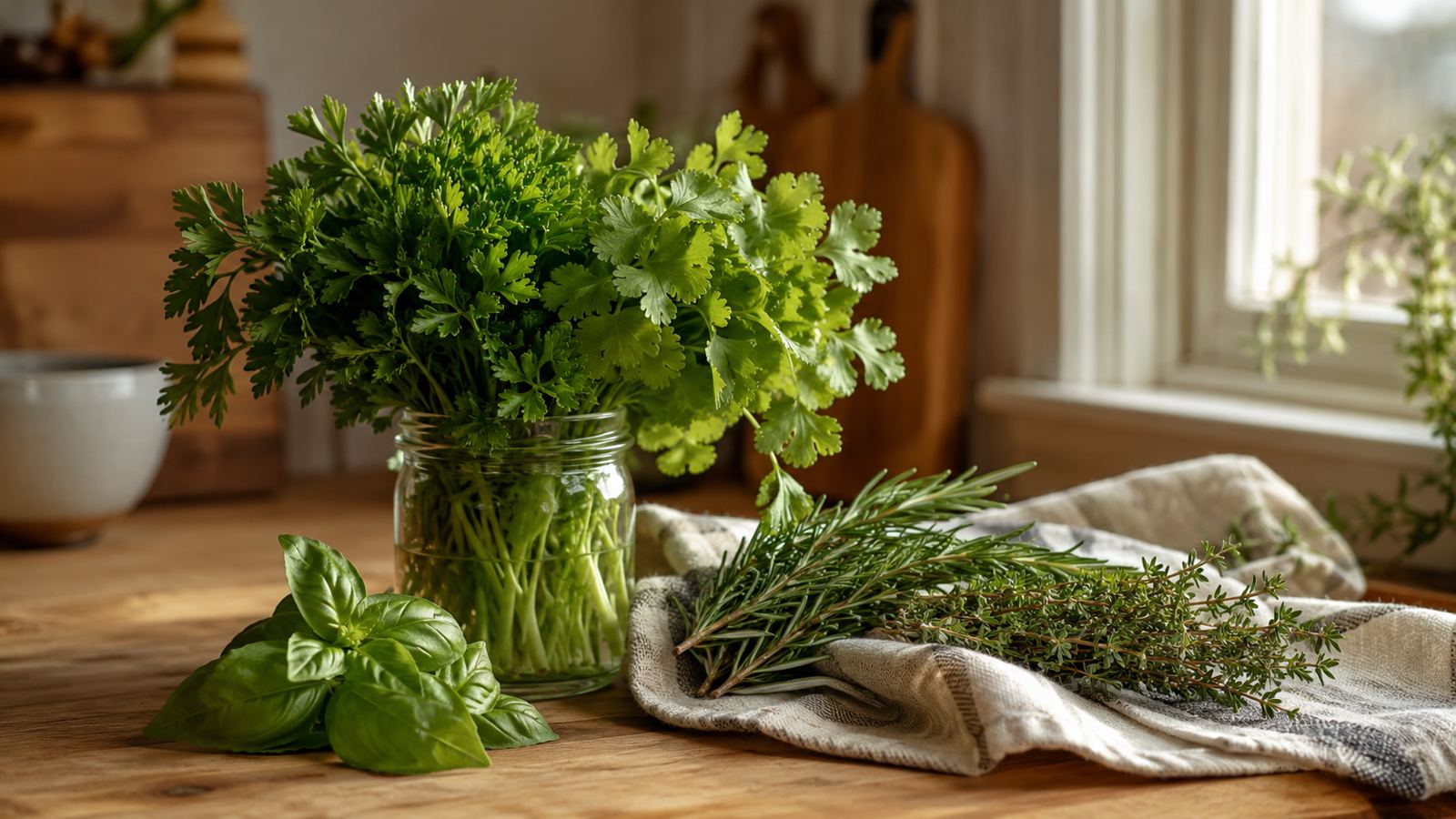
Look at the stem. Soft herbs, sometimes called tender herbs, have thin, bendy stems and delicate leaves: parsley, cilantro, dill, mint, tarragon, and basil. Woody herbs, also called hardy herbs, have tougher leaves on stiff, twiggy stems: rosemary, thyme, oregano, sage, and bay. It is a rough kitchen split rather than a botanical law, and a few herbs sit in between, but it holds up well enough to store by.
The split matters because one storage method never works for everything. Soft herbs lose water quickly and wilt, so they do best with a little humidity and something to drink. Woody herbs lose water more slowly and turn musty if they sit damp, so they want air and only a touch of moisture. Sort a haul of herbs by stem before you put anything away and you are already most of the way there.
The jar-of-water method for soft herbs
Treat a bunch of soft herbs like a bunch of flowers. Trim a little off the stem ends, stand them in a jar or glass with about an inch of water so only the stems sit in it and the leaves stay dry, then drape a loose plastic or paper bag over the top and put the whole thing in the fridge. Change the water when it looks cloudy, roughly every couple of days. Most herbs keep for around two weeks near refrigerator temperature when they do not dry out, so tender herbs stored this way tend to last a week or two rather than a few days (UC Davis Postharvest).
A couple of things matter here. Keep the leaves out of the water, since submerged leaves turn slimy fast. And dry the herbs well if you rinsed them, because a film of surface water speeds up rot. The jar helps because the cut stems keep drawing up water, so the leaves stay plump instead of drying down their own reserves.
Basil is the exception, keep it out of the fridge
Basil comes from warm climates and is sensitive to cold. It keeps best above about 10°C, so a normal fridge, which runs closer to 4°C, is cold enough to bruise and blacken the leaves rather than preserve them (UC Davis Postharvest). So basil gets the same jar of water, but on the counter, out of direct sun, uncovered.
If your basil already came home from a cold supermarket shelf looking a bit sad, use it sooner rather than later. Cold damage does not reverse the way a wilted soft herb perks back up after a drink of water.
Woody herbs want a damp towel, not a bath
Rosemary, thyme, sage, and oregano want the opposite of a jar. Stand them in water and they tend to go musty. Instead, rinse them, pat them properly dry, then roll them loosely in a barely damp paper towel and slip that into a container or a bag left slightly open in the crisper (KitchenAid). The damp towel keeps them from drying out, and the bit of airflow keeps them from sitting wet. Exactly how long they last depends on your fridge, so treat the towel as the method, not a guarantee.
Woody herbs are more forgiving than soft ones and usually outlast them in the fridge, which is handy given how few sprigs most recipes actually call for.
Keep herbs away from the fruit bowl
One easy-to-miss factor is what sits next to your herbs. Apples, bananas, and ripe tomatoes give off ethylene, a natural gas that pushes nearby produce to ripen and yellow faster, though how much herbs react to it varies (UC Davis Postharvest). Keeping soft herbs in the same drawer as the fruit bowl can speed up that decline, so it is worth giving them their own spot.
When storage isn't enough, cook the whole bunch
Sometimes you just have more herbs than you can use in time. Storage helps, but it does not stop the clock, so the other move is to cook them down while they are still good. Frozen raw, soft herbs lose their fresh texture, but they hold up well blended into a sauce and frozen, and firmer herbs like parsley freeze fine chopped into oil for cooking later. Our guide to what freezes well covers how to portion sauces so you are not defrosting a whole batch for one dinner. One caveat that storage cannot fix: herbs that have gone slimy, mouldy, or sour-smelling should go in the bin, not the blender.
A few dishes are built to use a whole bunch at once. A parsley-heavy chimichurri keeps for days in the fridge. Tabbouleh leans on parsley and mint by design, so it uses a big bunch in one go. And pesto is the classic way to use up basil before it turns. The per-serving numbers on the cards below are Gourmate's estimates and shift with your exact ingredients and portion size.
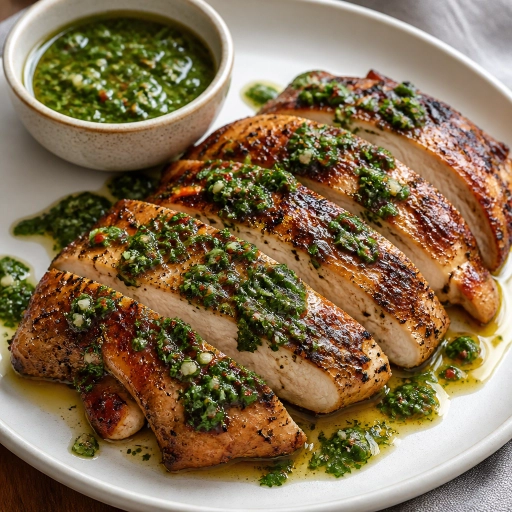
Pollo con Chimichurri
This pollo con chimichurri is juicy, smoky, and deeply savory, with a sharp herbal sauce that cuts through the richness of the chicken. It is a fast, beginner-friendly dish that delivers the bold flavor of an Argentine-style grill in under half an hour.
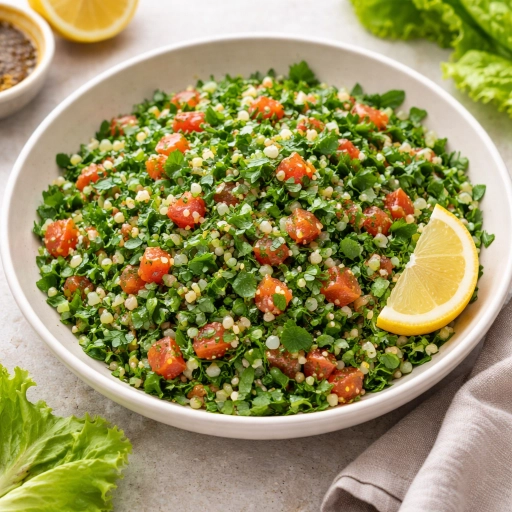
Tabbouleh
Tabbouleh is a vibrant, refreshing herb salad with finely chopped parsley, mint, juicy tomato, and a sharp lemon-olive oil dressing. This quick version stays true to the Lebanese style: intensely green, light, and lively, with just enough bulgur to add a delicate bite.
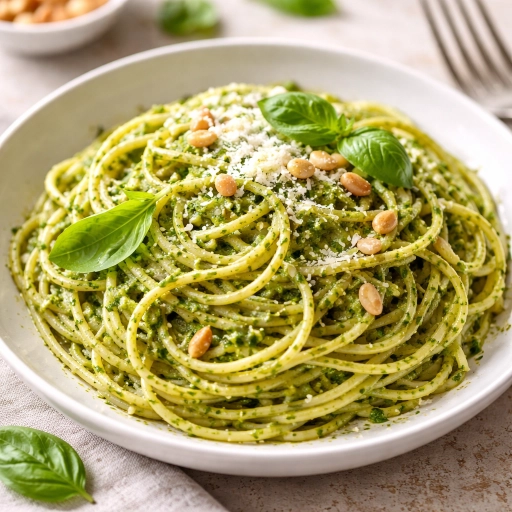
Pasta al Pesto
This classic Pasta al Pesto is bright, herbaceous, and richly savory, with sweet basil, nutty pine nuts, and aged cheese clinging to glossy strands of spaghetti. It is fast, deeply satisfying, and tastes freshest when served the moment it is tossed together.
Keeping a running note of what is in your kitchen helps too, since a half-used bunch of dill is easy to forget until it turns. Gourmate can work from your pantry list to suggest meals that use those odds and ends, the same idea behind cooking from what you already have, which we get into in how to cook with what you have.
None of this is fussy once you know the split: soft herbs in water, basil on the counter, woody herbs in a towel. Do that and the bunch you bought on Saturday is still worth using the following weekend.
Want your herbs to end up in dinner instead of the bin? Gourmate plans your week around what you already have.