
Budget Meal Planning That Still Tastes Like Dinner
Budget meal planning that starts with your cupboard, builds dinners around cheap proteins, and cuts the food waste that eats your grocery money.
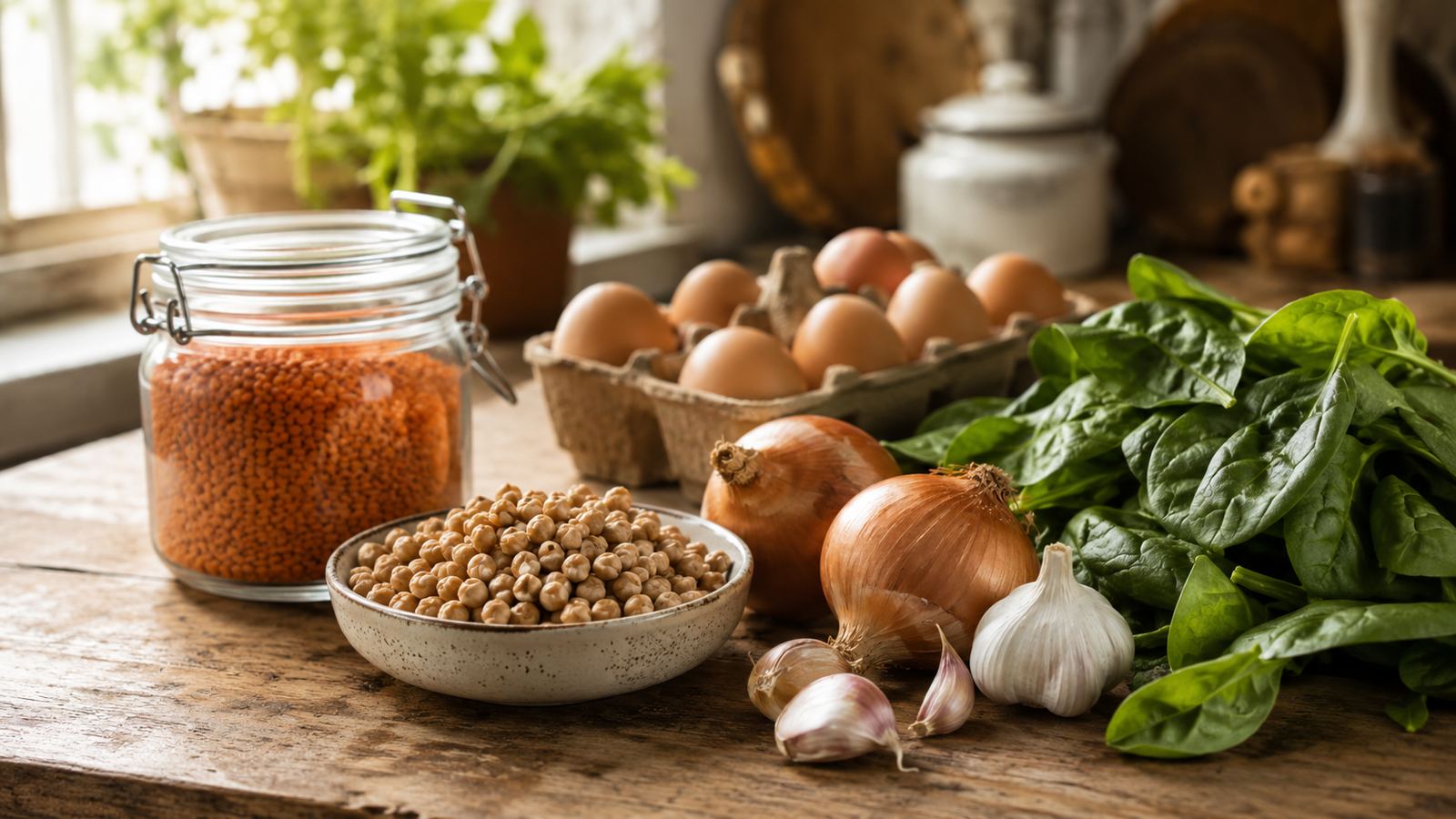
The receipt says 87 euros and you're not entirely sure what happened. There's a bag of specialty flour for a recipe you made once, two jars of the same curry paste, and a block of halloumi that seemed like a good idea at the time. Budget meal planning has less to do with coupons than with closing the gap between what you buy and what you actually cook. Everything in that gap was paid for and then thrown away.
That gap is bigger than most people guess. In the US, a 2025 report from the Environmental Protection Agency estimates that uneaten food costs about 728 dollars per person per year, counting both groceries and food bought away from home, which works out to nearly 3,000 dollars for a household of four. Grocery prices keep drifting upward too: in its June 2026 update, the USDA's food price outlook expects food-at-home prices to rise around 2.8 percent this year, with eggs among the few categories forecast to get cheaper. A plan can't move prices. It can shrink the waste.
Start the plan in the cupboard, not the store
It's easy to pay twice for an ingredient because nobody remembered the first one. So before writing a single meal into the week, take two minutes on what's already there: the half bag of rice, the tin of chickpeas behind the oats, the spinach that needs eating by Wednesday.
Plan the first two dinners of the week around those. If the spinach is fading, Monday is a frittata or a lentil stew that uses it up. Only then fill the remaining nights with new purchases. We've written a full guide to cooking with what you have that goes deeper on inventory-first cooking.
A pantry list, on paper or in an app, turns this step from a memory game into a checklist.
Budget meal planning runs on cheap proteins
Protein is usually the priciest line on the plate, so the fastest way to cut the cost of a dinner is to change what sits at its center. Dried and canned legumes, eggs, and the less fashionable cuts of meat do the heavy lifting here.
Lentils and chickpeas do most of the work. They keep for months, they're filling, and they fit Indian, Ethiopian, Middle Eastern, and French cooking equally well. Eggs turn a pile of vegetables into dinner in ten minutes. Chicken thighs cost less than breasts and are harder to ruin.
One trade-off worth being honest about: dried beans cost less per portion than canned, but they ask you to think a day ahead. If your planning is still wobbly, buy canned and pay the small premium. A slightly more expensive dinner that happens beats a cheap one that doesn't.
Three dinners built from cheap staples
Here's what that looks like as actual food. All three take about 30 minutes.
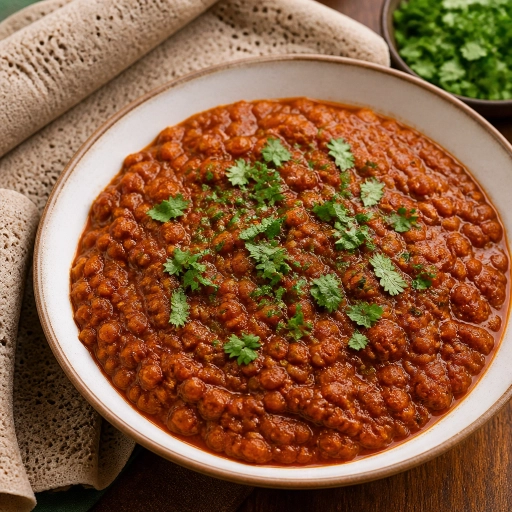
Misir Wat
Misir Wat is a deeply flavored red lentil stew with a velvety texture, warm heat, and a rich brick-red color. This beginner-friendly vegan version keeps the classic Ethiopian flavor profile of onion, berbere, garlic, ginger, and tomato while fitting into a practical weeknight timeline.
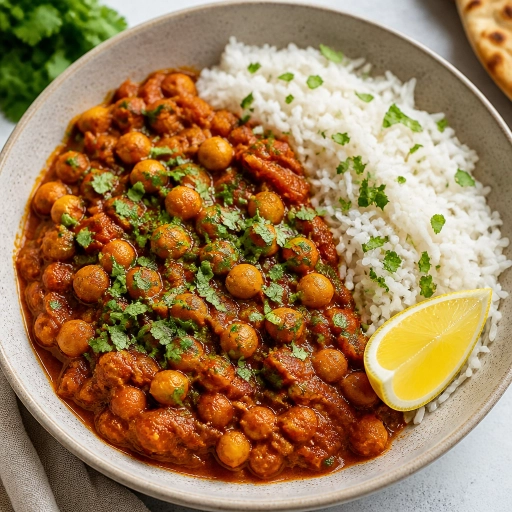
Chana Masala
Chana Masala is a bold, comforting chickpea curry with a thick tomato-onion sauce and fragrant spices in every bite. This quick version delivers deep flavor, gentle heat, and a tangy finish that makes it especially satisfying with rice or flatbread.
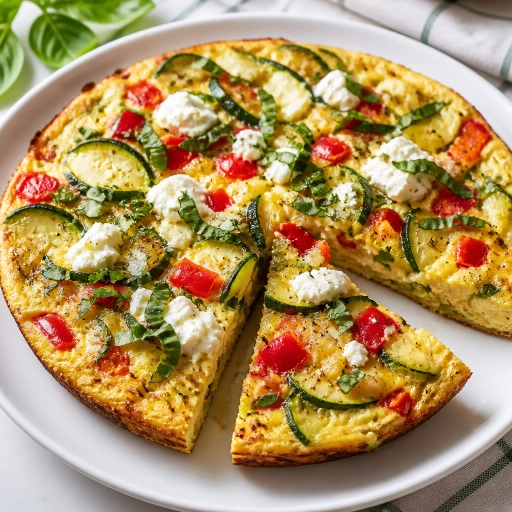
Frittata di Zucchine e Peperoni
This frittata is light yet satisfying, with tender eggs wrapped around sweet red pepper, delicate zucchini, and creamy tangy goat cheese. Fresh basil adds a bright herbal finish, while the oven-baked method gives it a gently puffed, golden top.
The Misir Wat is an Ethiopian red lentil stew that builds its depth from slowly cooked onion and berbere rather than from meat. The Chana Masala starts from canned chickpeas in a tangy, warmly spiced tomato-onion sauce, and a squeeze of lemon at the end does more for it than any extra ingredient would. The frittata is the template dinner: six eggs, whatever vegetables need using, and a bit of cheese. Swap the goat cheese for whatever is open in your fridge and it stays cheap.
In all three, the fresh items play small parts. The center of the plate comes from the cupboard, and the flavor comes from onions, spices, and acid rather than from the expensive aisle.
Shop once, from a list that matches the plan
Extra trips to the store are where unplanned purchases sneak in, so aim for one main shop per week, from a list generated by the plan itself: every ingredient from every planned dinner, minus what the cupboard already covers. If something highly perishable needs a midweek top-up, keep that trip short and specific.
Two habits sharpen the list further. Compare unit prices on the shelf label (per kilo or per 100 grams) rather than pack prices. And buy loose produce in the amounts the plan needs instead of the bagged amount the store prefers, especially for things that spoil fast.
This is the part Gourmate automates: plan the week, tap once, and the ingredients from every planned meal merge into one shopping list grouped by category.
Cook the plan, then protect the leftovers
Two things sink most budget plans: dinners that never get cooked, and leftovers that die in the fridge. The first has a scheduling fix. Put the fragile ingredients early in the week and the pantry dinners late, so a plan that slips by a day doesn't take the spinach down with it.
The second has a freezer fix. Portion leftovers the same evening and freeze whatever won't be eaten within a few days. Stews, curries, soups, and cooked rice all freeze well, and our guide to what freezes well covers the details, including safe thawing.
If boredom is what kills your leftovers, cook components instead of finished meals and recombine them across the week; that approach gets a full write-up in batch cooking without getting bored.
A cheaper week in four moves
None of this requires spreadsheets or suffering. Check the cupboard first, put legumes and eggs at the center of a few dinners, shop from a merged list, and decide on day one which leftovers get frozen. The savings come from food getting eaten instead of replaced.
Gourmate plans your week around your pantry, your tastes, and your household size, then turns the whole thing into one grouped shopping list. Try it here.