
Low-Histamine Recipes for a Full Fresh Day
Three low-histamine recipes for breakfast, lunch, and dinner, built on fresh ingredients you cook and eat the same day. Simple, clean, and gentle.
If histamine bothers you, the hardest part of cooking is not the recipe. It's the pantry. Half the things that make food taste loud, the aged cheese, the soy sauce, the splash of vinegar, the squeeze of lemon, are the exact ingredients you're trying to skip. So you end up staring at chicken and rice wondering how to make it taste like anything.
These three low-histamine recipes cover a whole day: a warm breakfast, a bright lunch, and a simple dinner. None of them relies on the usual flavor shortcuts. Every one leans on freshness and soft herbs instead, and each is built to be cooked and eaten the same day, which is the part that matters most.
Why low-histamine cooking leans on freshness
Histamine intolerance is often linked to low activity of an enzyme called diamine oxidase (DAO), which normally breaks down histamine in the gut. When there isn't enough of it, histamine from food can pass into the bloodstream instead of being cleared, and that's associated with symptoms like flushing, headaches, or hives. In one trial, more than half of people following a low-histamine diet reported fewer symptoms, which is why diet is usually the first thing people adjust.
Here's the detail that changes how you cook: histamine isn't just sitting in "bad" foods waiting for you. It builds up over time. Bacteria convert an amino acid called histidine into histamine as food ages, ferments, or simply sits around, and the process keeps going even in the fridge. One study on fresh fish found histamine climbing during cold storage, because refrigeration slows the bacteria but doesn't stop them. So an otherwise low-histamine dish can hold more histamine after a day or two in the fridge than it did straight off the stove, even when it hasn't spoiled in the ordinary sense.
That's the logic behind everything below. Buy fresh, cook fresh, eat it the same day, and freeze anything you can't finish right away rather than letting it linger in the fridge. Worth saying plainly: histamine intolerance is a real medical issue with overlapping causes, and what one person tolerates another won't, so use a dietitian or doctor to confirm what's going on before you cut foods long-term.
Breakfast: warm apple and pear oatmeal
Mornings are the easy win. Oats, water or fresh oat milk, and gentle fruit make a breakfast that asks nothing dramatic of your pantry. This one simmers diced apple and pear right into the porridge so they go soft and sweet, then gets a whisper of cardamom and a handful of fresh blueberries on top.
The fruit choice is deliberate. It skips the usual histamine triggers people react to at breakfast, so there's no citrus, no banana, no strawberries, and no big spoon of yogurt. Cardamom is usually well tolerated in small amounts, and it does more for a bowl of oats than you'd expect. Use fresh oat milk rather than anything close to its date, since souring is exactly the kind of change you're avoiding.
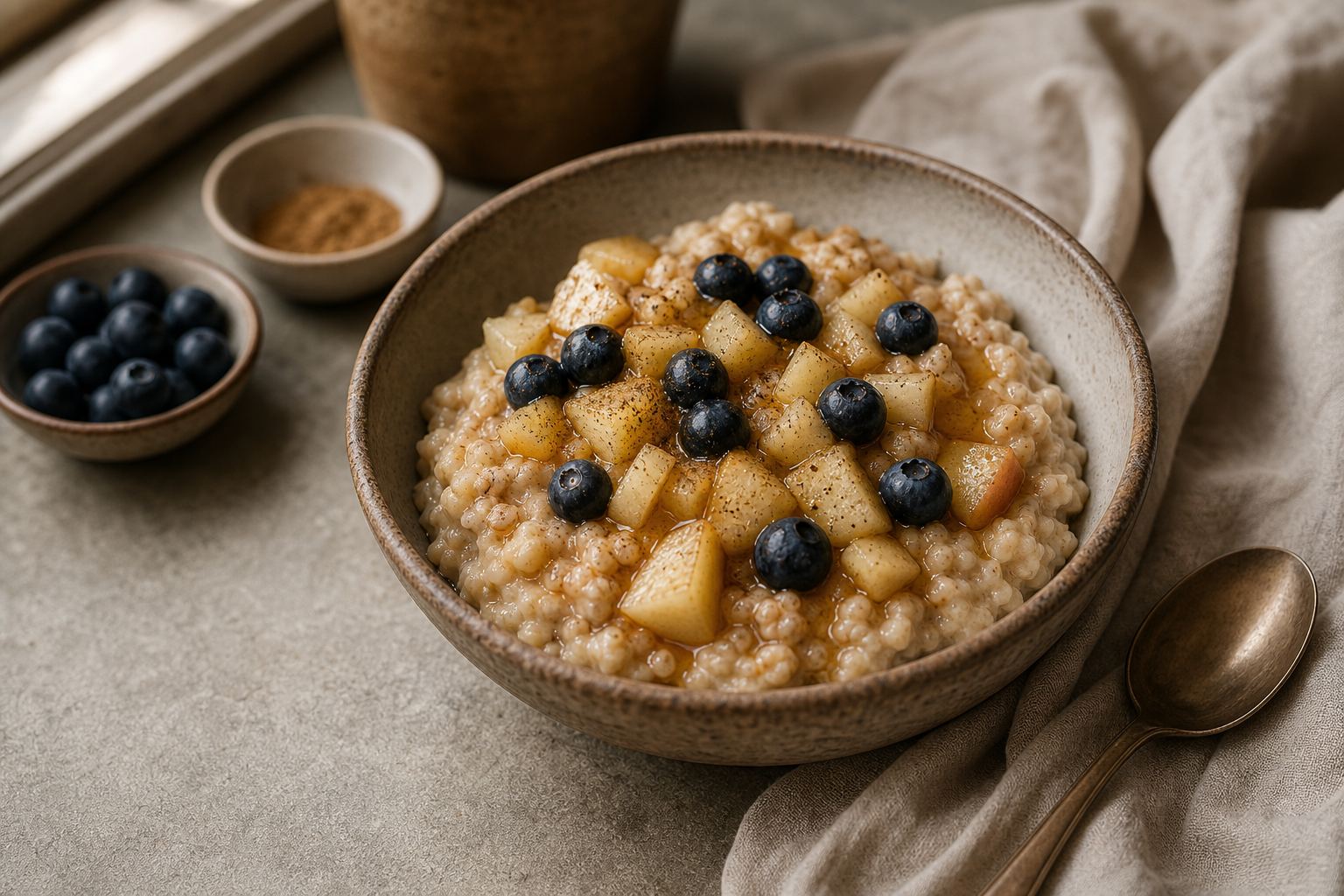
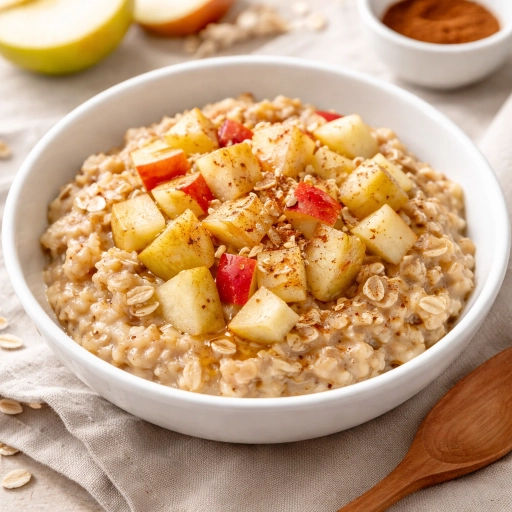
Warm apple and pear oatmeal
A comforting, warm oatmeal made with rolled oats, tender apple and pear, a touch of maple syrup and a whisper of cardamom, finished with fresh blueberries. Mild, soothing and cooked fresh for low-histamine sensitivity.
It takes about 20 minutes start to finish and makes two bowls. If you want it thinner, stir in a little warm water just before serving. Eat it warm, straight from the pot.
Lunch: a fresh quinoa salad bowl
Cold, crunchy, and put together in half an hour. Fluffy quinoa goes in with shredded sweet romaine, diced cucumber, grated carrot, and plenty of parsley and basil. The dressing is where a low-histamine cook usually gets stuck, because vinegar and lemon are off the table, so this one uses cold-pressed olive oil and a small splash of pure apple juice for brightness instead. It's not a substitute that pretends to be lemon. It's its own thing, a little sweet, and it works.
A handful of pan-toasted pumpkin seeds on top adds crunch without reaching for nuts, which many people on this diet avoid. Fresh herbs are carrying the flavor here, so treat them well: storing herbs properly is the difference between a bowl that tastes green and one that tastes like nothing.
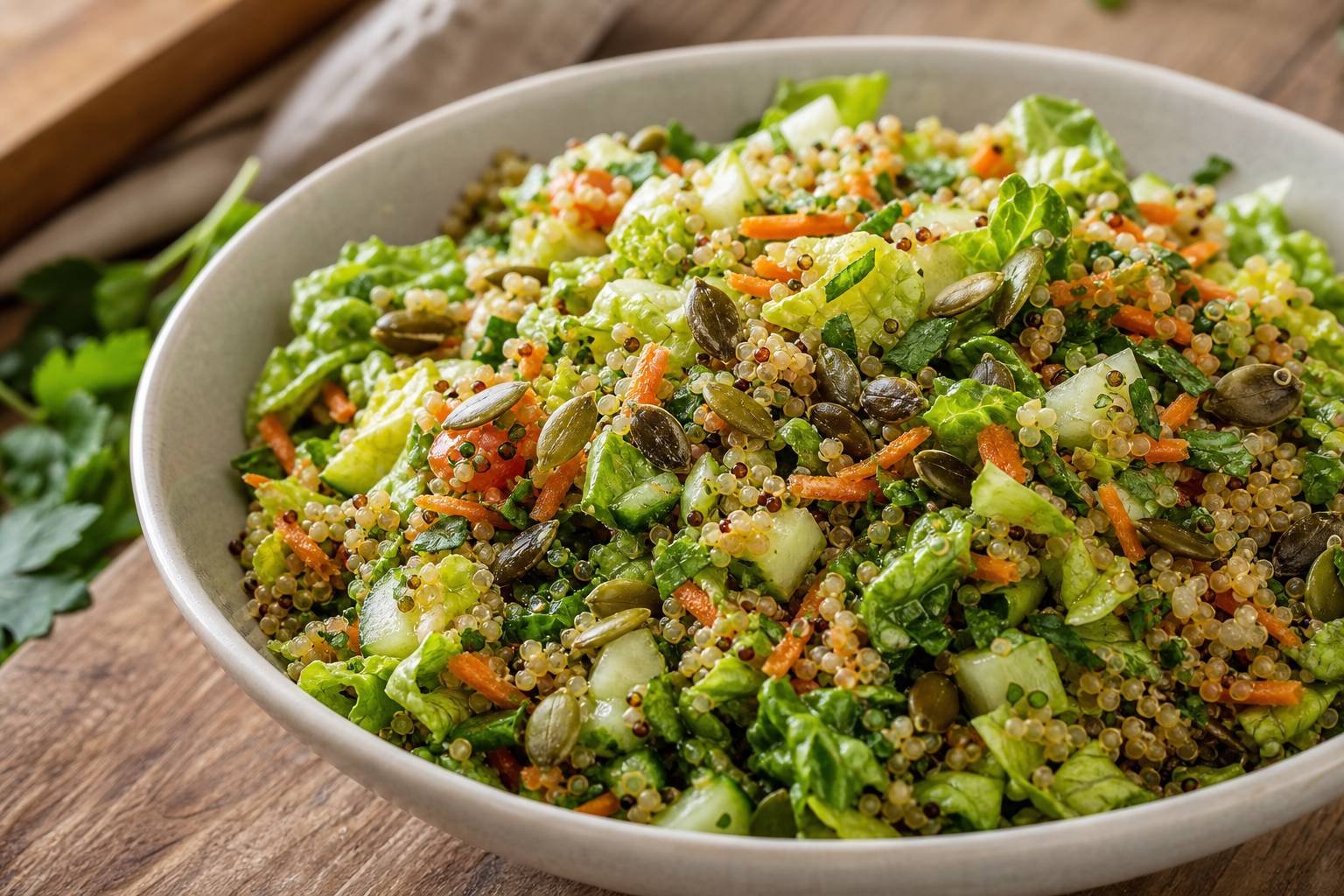
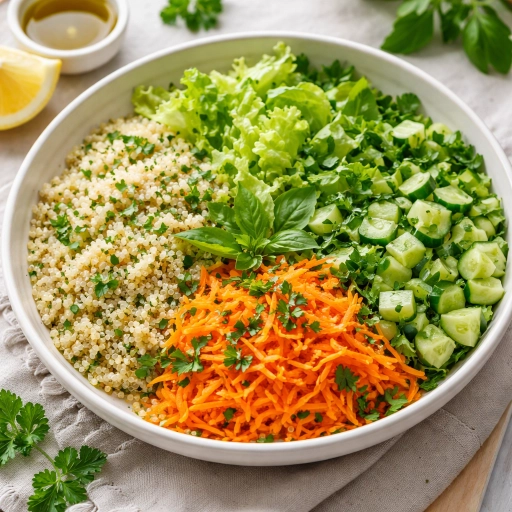
Quinoa salad bowl
A light, refreshing quinoa salad combining fluffy quinoa with crisp romaine, cooling cucumber, sweet grated carrot and bright parsley and basil. Dressed only with cold-pressed olive oil and a splash of pure apple juice, it is quick, clean-flavored and suitable for low-histamine diets.
Dress it just before you eat. A quinoa salad that sits dressed for hours goes soft, and on this diet the freshness isn't only about texture. Make it at lunch, eat it at lunch.
Dinner: pan-seared chicken with soft herbs
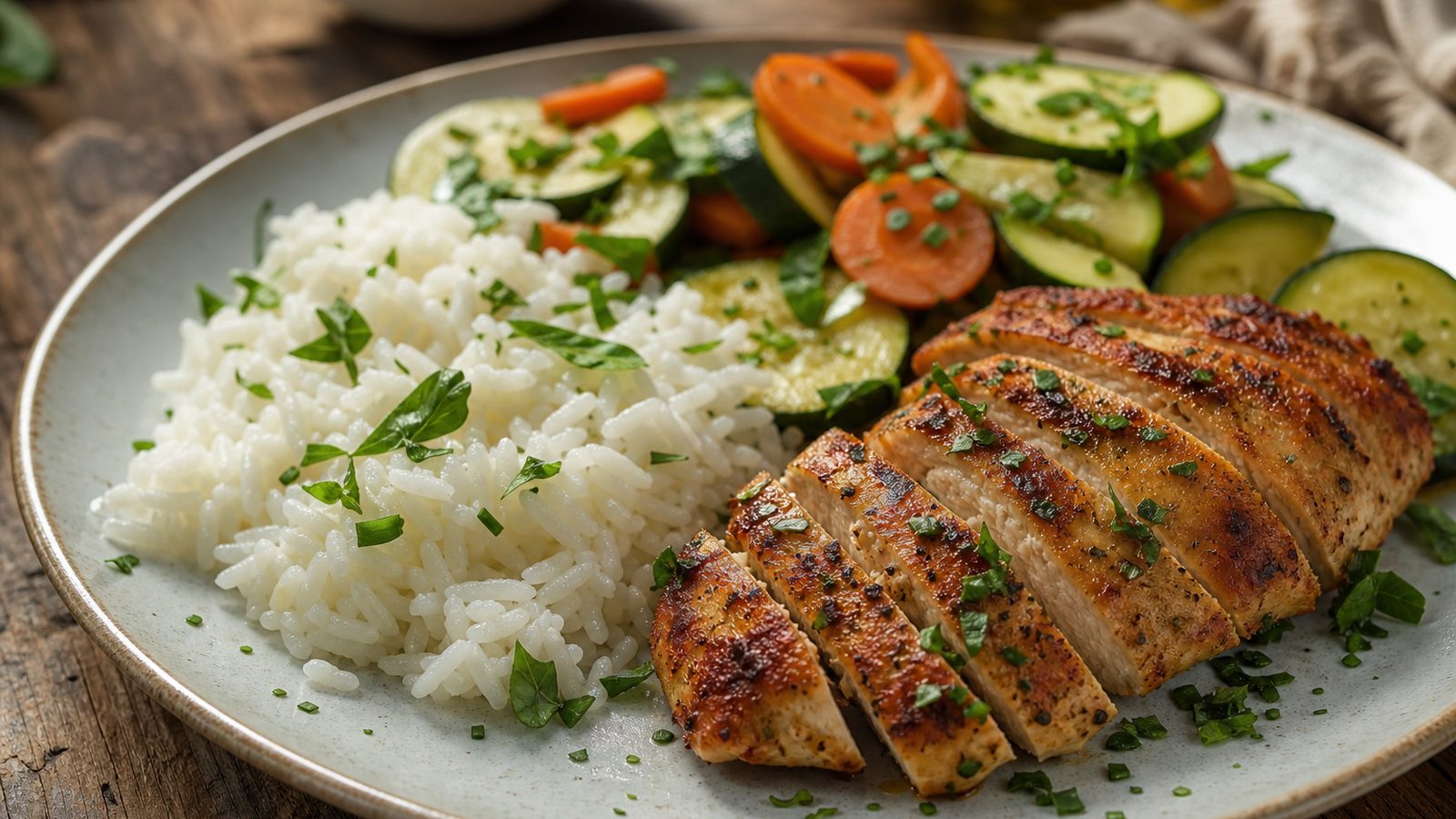
Dinner is the plate that scares people off this diet, because so much of what makes a savory dish sing is aged, cured, or fermented. This one proves you don't need any of it. Fresh chicken breast, seasoned with just salt, gets a golden sear, then rests while zucchini and carrots cook in the same pan. Fluffy white rice underneath, and a scatter of parsley, basil, and chives stirred through the vegetables at the very end.
The freshness rule matters most here, since fish and meat build up histamine faster than most foods once they sit. Buy the chicken fresh, or thaw it in the fridge rather than on the counter and cook it while it's still fresh, not meat that's been defrosted for days. Cook it through to 74°C (165°F) at the thickest part, checked with a thermometer, and eat it right away. If you have leftovers, cool them quickly in a shallow container and freeze them rather than leaving them in the fridge. Freezing slows further histamine buildup, though it won't undo what's already formed, so the fresher it goes in, the better. Knowing what freezes well keeps that habit from feeling like a chore.
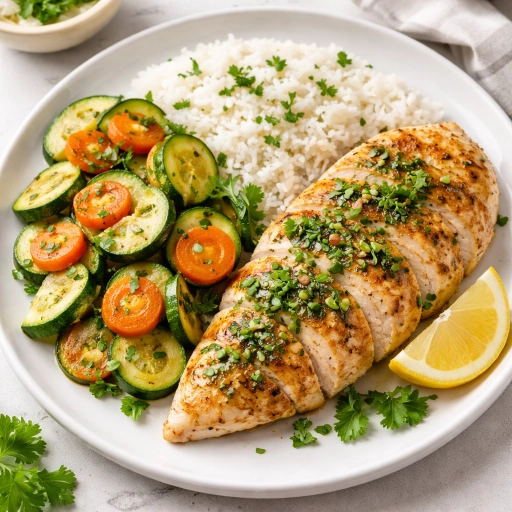
Pan-seared chicken with soft herbs, sautéed zucchini & carrots, and white rice
Tender pan-seared fresh chicken seasoned only with salt and soft herbs, served with fluffy white rice and lightly sautéed zucchini and carrots. Clean flavours and quick technique make this a reliable low-histamine weeknight plate.
Cooked chicken, rice, and vegetables all freeze cleanly, which makes this dinner double as tomorrow's fast lunch, reheated hot from frozen rather than left to sit.
Making it a routine, not a project
The trap with any restricted diet is that it feels like three separate research projects a day. It doesn't have to. Once you've got a handful of fresh-first meals you actually like, the diet turns into a rotation instead of a puzzle. Herbs, good olive oil, gentle fruit, and fresh protein do a lot of quiet work, and the same handful of ingredients recombines into most of a week.
If planning around a restriction is the part that wears you down, that's exactly the kind of thing Gourmate is built to handle: tell it what you're avoiding, and it plans meals around your ingredients instead of leaving you to check every label yourself.
Cooking around histamine or another sensitivity? Gourmate plans fresh meals around what you can eat, so the fridge stops being a minefield.