
Do Spices Expire? What Fades, What Keeps, What to Toss
Do spices expire or just fade? How long ground and whole spices really last, the ten-second freshness test, and where to store the jars that matter.
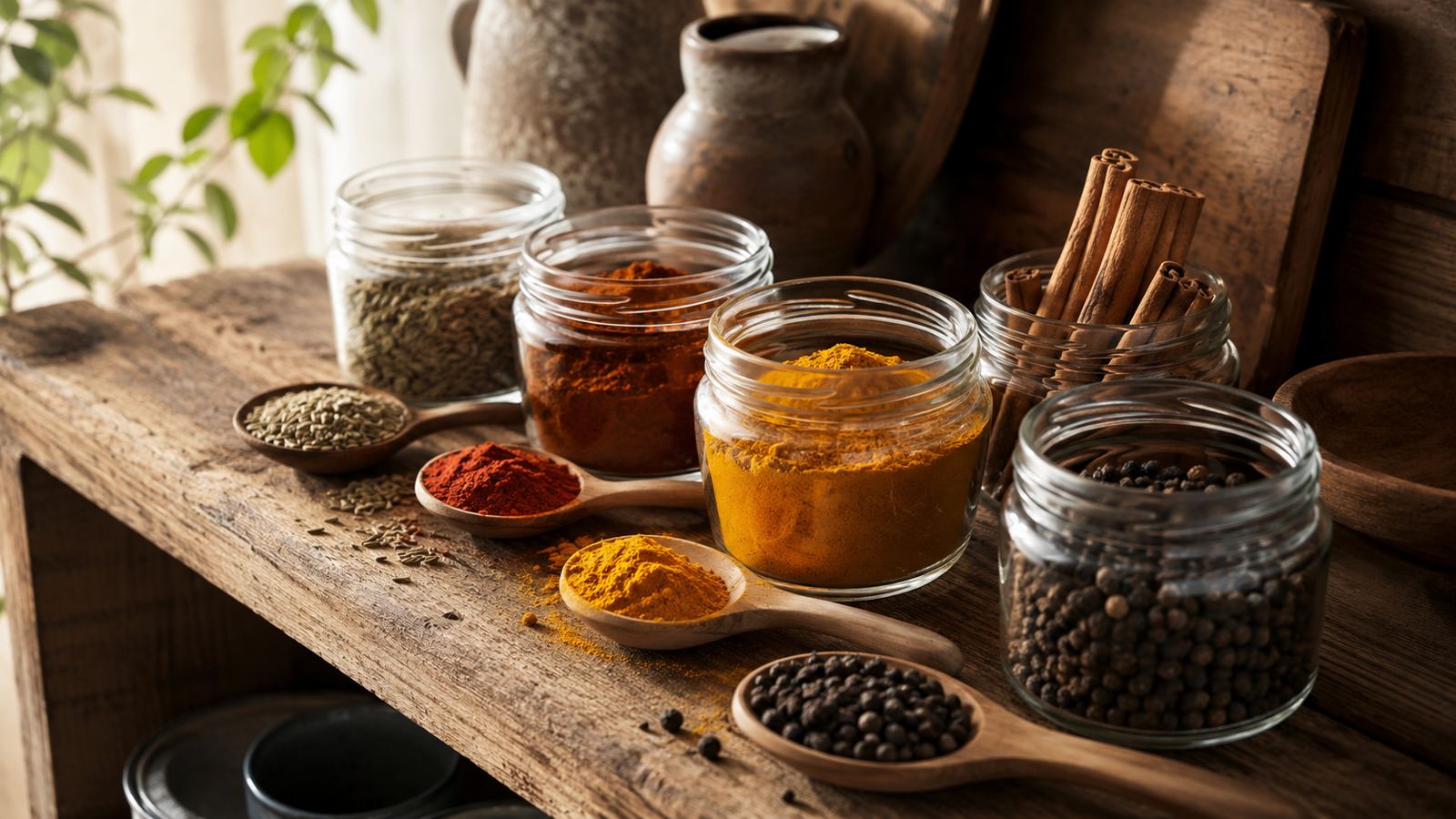
Somewhere in your cupboard is a jar of smoked paprika you bought for one specific recipe, years ago. It's still half full. The date on the lid has quietly passed, and now you're standing there mid-recipe wondering: do spices expire, or is that date just a suggestion?
Short answer: for a spice that has been stored dry, the date is mostly about flavor. Kept properly, dried spices rarely turn into a safety problem the way fresh food does. This covers how long they actually last, how to judge a jar you can't date, and how to store the ones you want to keep.
Old spices are usually a quality problem
From a food safety standpoint, dried spices don't go bad the way perishable food does. The USDA's guidance is that properly dried spices are too dry to support the growth of pathogenic bacteria. The "best by" date on the jar mostly marks the window of decent flavor rather than a safety deadline, so a faded jar is generally still fine to cook with.
The exceptions are worth knowing. If a ground spice has caked into a hard lump, smells musty, or shows any mold, moisture got in and the jar belongs in the bin. The same goes for signs of insects, or an off, rancid smell in oilier seeds (more on those below). Clumping and dull color mostly signal lost quality, not danger, but visible mold or a musty smell is a discard.
Salt is the outlier. Plain, additive-free salt keeps more or less indefinitely.
How long spices actually stay good
Flavor in spices lives in volatile aromatic oils, and those oils escape faster once the spice is ground, because grinding multiplies the surface area exposed to air. The finer the powder, the faster it fades.
Iowa State University Extension gives rough guidelines of 2 to 3 years for ground spices and dried herbs, while whole spices hold on longer: 3 to 4 years for whole cinnamon or cloves, and up to 5 or 6 for whole black peppercorns. Treat those as quality guidelines, not hard cutoffs, and they assume the jar was stored reasonably well. A jar of ground cumin that has spent two summers in the rack above the stove will fade well ahead of schedule.
The catch is that most of us have no idea when we bought a given jar. A marker on the lid with the month and year you opened it solves that for every future jar. For the current shelf, your senses are the faster guide.
The ten-second freshness test
This checks potency, not safety: it tells you whether a jar still has flavor to give, not whether it is contaminated. Rub or crush a pinch in your palm and smell it. Iowa State's test has three parts:
- Smell: the aroma should be strong and reach you immediately, not require pressing your nose into your hand
- Color: it should still look bright and saturated, not grey or dusty
- Taste: a tiny pinch on your tongue should actually taste like something
A jar that fails this test isn't unsafe, it's just weak. You can lean on a heavier hand in a long-cooked stew or braise, but past a certain point extra quantity adds dust rather than flavor, and replacing the jar is the better cooking decision.
Do spices expire faster next to the stove?
Noticeably faster, yes. The four things that strip aromatic oils out of a spice are heat, light, air, and moisture, and the rack mounted above the hob delivers all four at once, which is why the handiest spot is also the harshest one for the jars.
A drawer or cupboard that stays cool and dark is the better home, in airtight containers, with glass easiest to keep clean. Two habits matter more than the container, though. Close the lid properly instead of leaving it half-screwed. And spoon spices out rather than shaking the jar directly over a steaming pot, because every shake over rising steam lets a little moisture in, and moisture is what turns a fading jar into one you have to throw away.
One more special case: seeds that carry a lot of their own oil, like sesame or poppy, can eventually go rancid rather than just fade. If a jar smells like old paint rather than like nothing, that's rancidity, the same chemistry that ruins a bottle of cooking oil kept next to the hob. Rancid smells or tastes mean the jar is done.
Getting more flavor out of the jars you have
Whole spices keep their aromatic oils locked inside until you crack them, which is why they last years longer, so buying whole and grinding as needed is a real freshness upgrade. The trade-off is effort: grinding pepper takes no thought in a mill, while grinding coriander seed on a weeknight means digging out the grinder and washing it after. Buy whole where grinding is easy, pre-ground where it isn't.
Technique helps too. Many cuisines start a dish by cooking spices briefly in hot oil or toasting them dry, and there's a practical reason: several of the flavor compounds in spices dissolve in fat rather than water, so a short sizzle in oil tends to spread them through the dish more effectively than stirring powder into a watery sauce late. It helps a fading jar give up what flavor it has left, but it can't restore what has already evaporated.
The best storage tip is cooking with them
A jar used up in six months never gets the chance to fade. If your cupboard is full of single-use spices from recipes past, the fix is picking dinners that actually draw the shelf down, the same logic as cooking from what's already in your kitchen instead of shopping for new ingredients around it.
Spice-heavy dishes are the obvious candidates, since one pot can put four or more lingering jars to work at once. These three lean on cumin, coriander, turmeric, paprika, cinnamon, and garam masala:
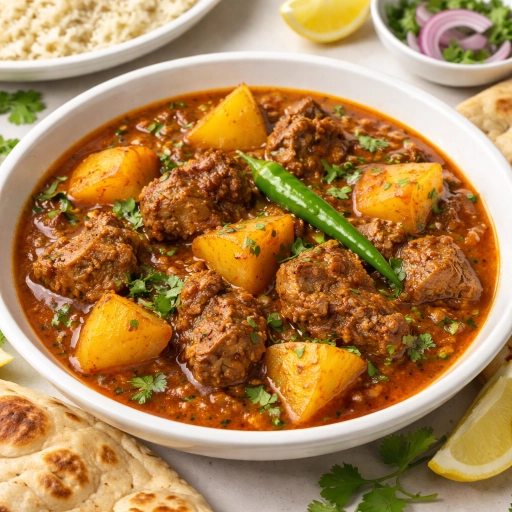
Aloo Gosht
Aloo Gosht is a comforting lamb and potato curry with tender meat, soft chunks of potato, and a deeply savory onion-tomato gravy. This version is aromatic with coriander, ginger, garlic, and garam masala, giving you a balanced, classic pot of curry suited to everyday family meals.
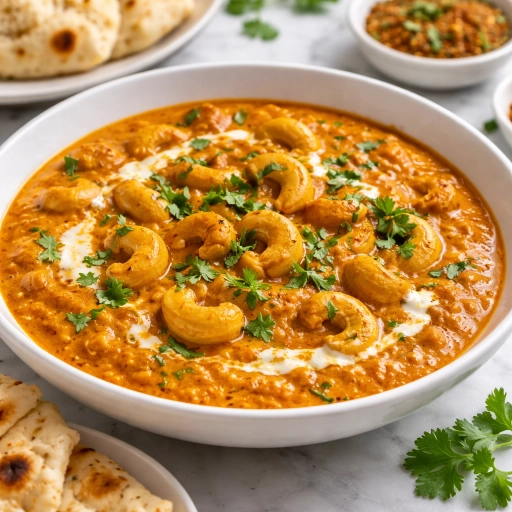
Kaju Masala
Kaju Masala is a luscious, mildly spiced curry with tender cashews in a silky tomato-onion gravy enriched with cream and butter. The sauce is smooth, aromatic, and slightly sweet, making it especially satisfying with flatbreads or fragrant rice.
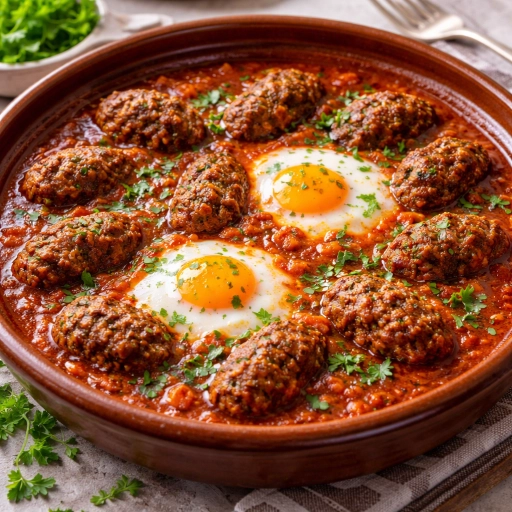
Kefta Tagine
Tender Moroccan kefta simmer in a rich, warmly spiced tomato sauce, then are finished with softly poached eggs for a deeply comforting one-pan meal. The result is savory, fragrant, and satisfying, with cumin, paprika, parsley, and a hint of cinnamon giving the dish its signature depth.
Gourmate plans your week around the ingredients and spices you already own, so the garam masala gets used again instead of waiting years for its next outing. Try it here.