
Build a Summer Mezze Spread to Share
A summer mezze spread of four real recipes: creamy hummus, smoky baba ganoush, herb-packed tabbouleh, and crisp falafel for one shared summer table.
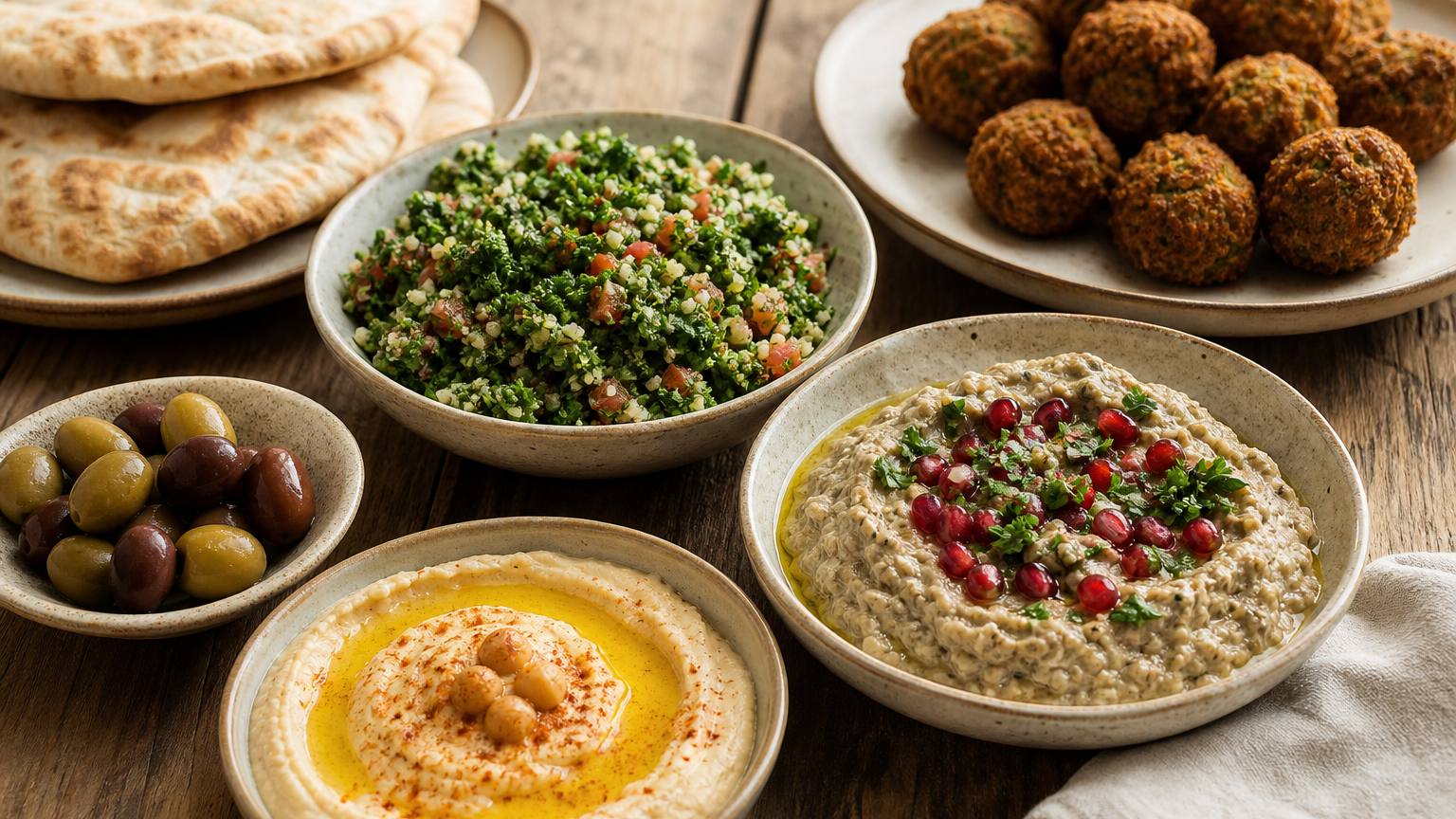
The best thing you can put on a hot-weather table isn't one big dish. It's a lot of small ones. A summer mezze spread turns dinner into something you graze at for an hour: a bowl of cool hummus, a smoky eggplant dip, a bright green herb salad, and hot falafel from the pan, all torn into with warm pita. This is a four-dish menu you can build at home, and each dish has a full recipe on its card so you can cook it exactly.
It feeds four as a light dinner or six as a starter. Almost all of it can be made ahead: the dips and the salad hold in the fridge, and only the falafel is best fried just before people sit down.
What a mezze spread actually is
Mezze is the Eastern Mediterranean tradition of eating from a spread of small shared plates rather than a single main course. Across Lebanon, Syria, Turkey, Greece and their neighbors it covers everything from dips and pickles to little fried things and stuffed leaves (Wikipedia). Plenty of mezze dishes are hot, but a summer table leans on the cool ones, which is what makes this menu easy: two dips and a salad you make in advance, plus one warm dish to anchor it.
The menu: four dishes for the table
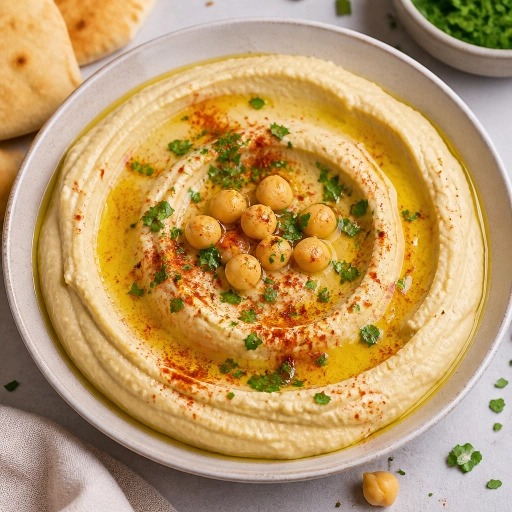
Hummus bi Tahini
This hummus is creamy, nutty, and bright with lemon, with a silky texture that feels far richer than its simple ingredients suggest. A finish of olive oil, paprika, parsley, and whole chickpeas gives it the classic Lebanese presentation and a beautiful contrast of flavor and texture.
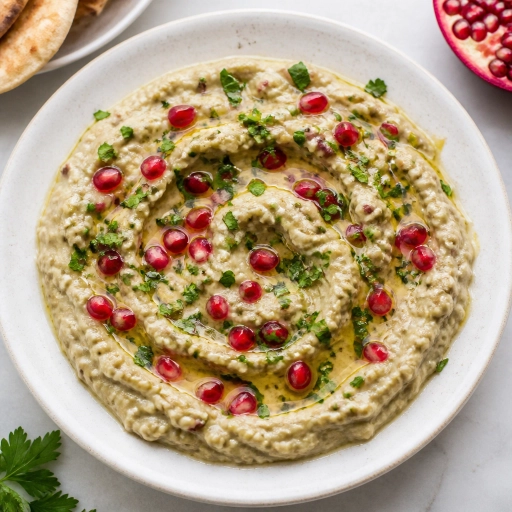
Baba Ganoush
This baba ganoush is silky, smoky, and bright, with charred aubergine balanced by nutty tahini, sharp lemon, and a touch of garlic. A drizzle of olive oil, fresh parsley, and jewel-like pomegranate seeds make it both deeply savoury and beautifully fresh.
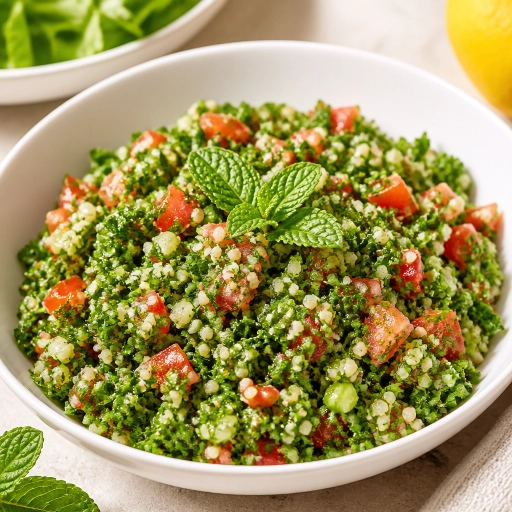
Tabbouleh
Tabbouleh is a bright, refreshing herb salad with a lively balance of lemon, olive oil, juicy tomato, and cooling mint. This version is light, fresh, and true to the Lebanese style, where parsley takes center stage and bulgur adds just a subtle nutty bite.
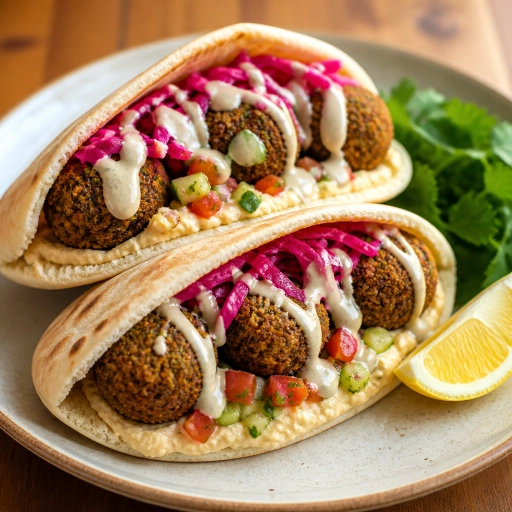
Falafel Pita
This falafel pita is crisp, herbaceous, and warmly spiced, tucked into soft pita with creamy hummus, nutty tahini, crunchy pickled cabbage, and a fresh tomato-cucumber salad. The contrast of hot falafel and cool, bright fillings makes it satisfying, messy, and exceptionally good.
Two dips, one salad, and the falafel as the warm centerpiece. Make all four, or drop the falafel and keep the three cold dishes for an easy lunch. The two Lebanese dishes here, the hummus and the tabbouleh, come in around 15 minutes of hands-on work each; the baba ganoush takes longer only because the eggplant has to char. The calorie and nutrition figures below are Gourmate's per-serving estimates, each for a recipe that serves two.
The two dips: hummus and baba ganoush
Start with the Hummus bi Tahini. A good homemade batch beats most tubs and takes about 15 minutes with canned or cooked chickpeas. The move that makes it is whipping the tahini and lemon juice on their own first until they pale and thicken, then blending in a few tablespoons of ice-cold water so the whole thing turns light rather than pasty. It comes in around 285 calories a serving with 6 grams of fiber, and it keeps in the fridge for up to three days. A film of olive oil on top slows the surface drying out.
The Baba Ganoush is the smoky one, and high summer is when eggplant is at its best, so this is the season for it. Whole eggplants get charred on a foil-lined tray under the broiler until the skins blacken and collapse and the flesh goes completely soft, then the drained flesh is mashed with tahini, lemon, garlic and cumin and finished with pomegranate seeds. Prick the eggplants all over before they go under the heat so steam can escape, and watch them, since a broiler takes them from charred to burnt fast.
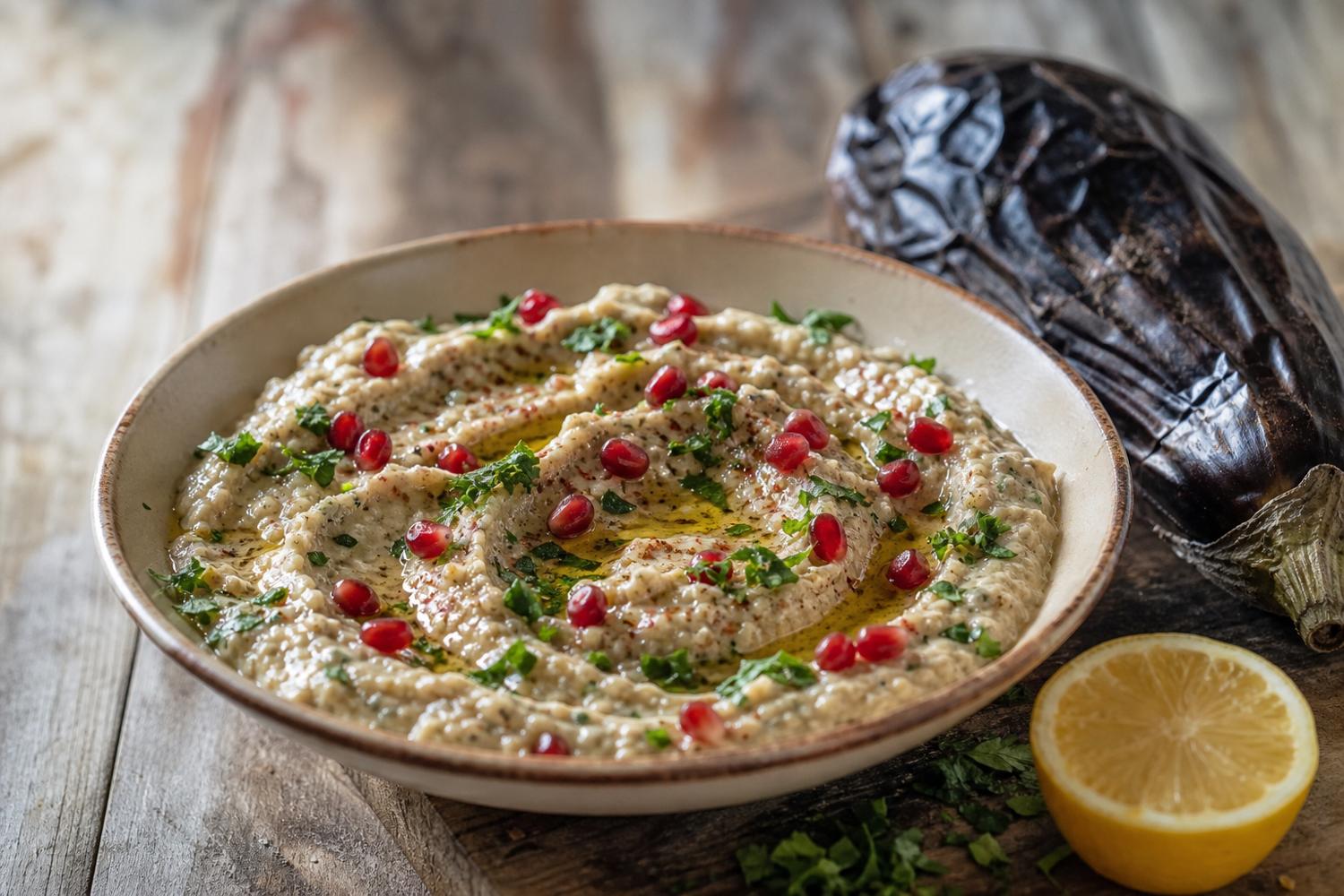
Both dips are built on tahini, so both carry sesame. There's a full allergen rundown at the end.
The green plate: tabbouleh
Tabbouleh keeps the whole spread feeling light. Done the Lebanese way, it's mostly parsley and mint, finely chopped, with just enough fine bulgur for a little bite and diced tomato for juice, all dressed in lemon and olive oil. This version lands around 204 calories a serving and reads as bright and green rather than as a grain salad.
The bulgur soaks in boiling water for about ten minutes before it's fluffed and cooled, so you do need a kettle, and the exact time depends on the grade, so follow the pack. Chop the herbs by hand rather than in a processor, which can bruise them, and dry them well after washing so the salad stays fluffy instead of watery. Since the parsley and mint are eaten raw, wash them thoroughly. If you cook with a lot of soft herbs in summer, our guide to keeping fresh herbs from wilting helps a bunch of parsley go the distance.
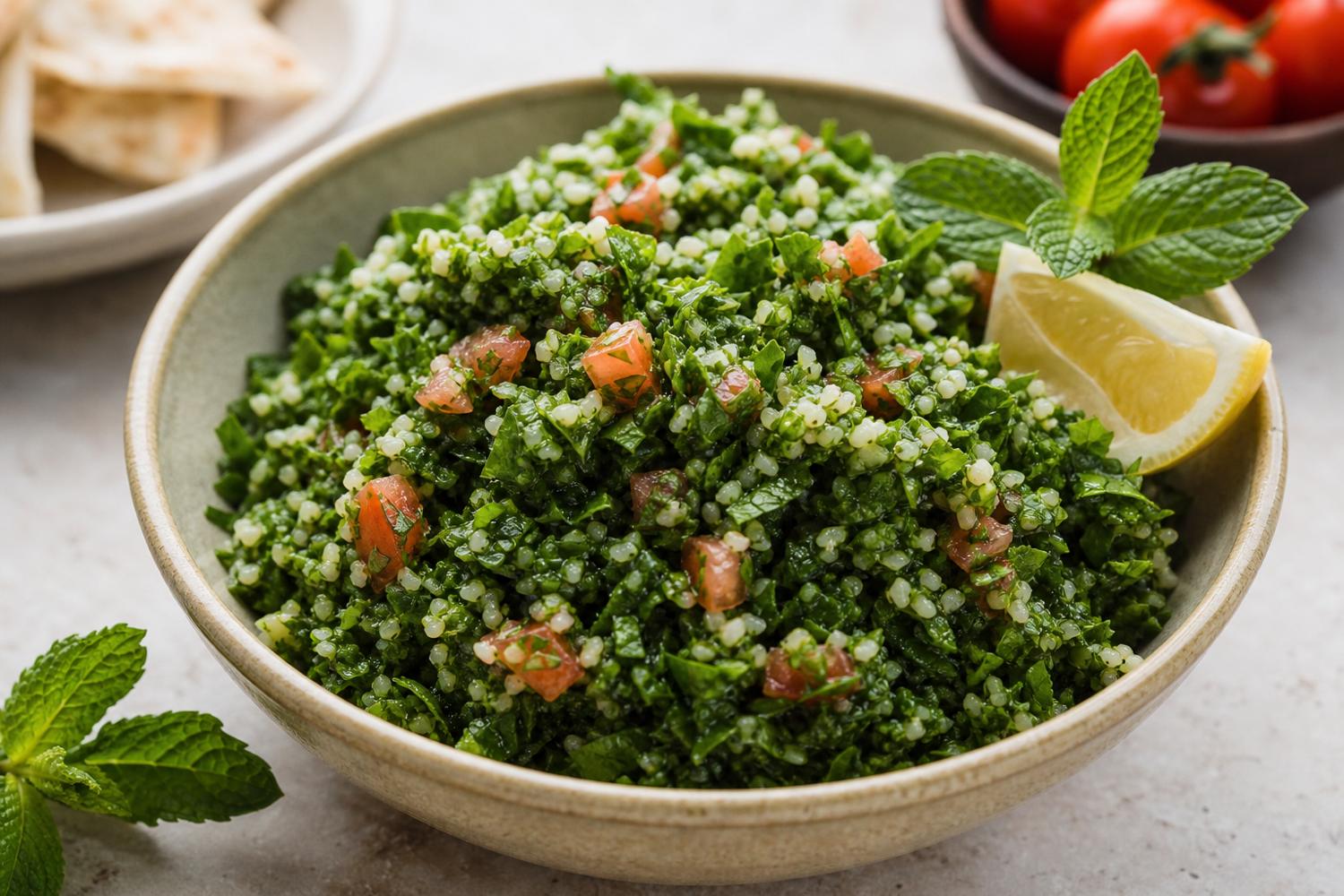
Falafel: the warm anchor
The Falafel Pita is the dish worth heating the kitchen for. Well-dried canned chickpeas, herbs, onion and spices get pulsed to a coarse, crumbly paste (not a smooth puree, or the falafel turns dense), shaped into small patties held together with a little flour, and shallow-fried until deeply golden. This recipe builds them into a full pita with hummus, tahini sauce, pickled cabbage and a chopped tomato-cucumber salad, which is why its figure is a hearty 767 calories a serving with 24 grams of protein and 18 grams of fiber. That's a meal in itself, so for a spread you can skip the sandwich, fry just the falafel, and set it out loose beside the dips.
Frying is the part that needs your attention. Dry the chickpeas thoroughly before you blend them, since a wet mixture makes soft falafel that fall apart. Keep the oil at a steady moderate heat so the centers warm through before the crust gets too dark, and don't crowd the pan, which drops the temperature and leaves them greasy. If the oil ever catches fire, don't throw water on it: turn off the heat if you can reach it safely and smother the pan with a metal lid.
Making it ahead, and keeping it safe
Most of this waits for you. The hummus keeps up to three days refrigerated and the baba ganoush up to two; take them out shortly before serving rather than leaving them to warm for an afternoon. Tabbouleh is best the day it's made, since the herbs dull and the tomato weeps, so dress it close to serving. Refrigerate the dips and salad at 4°C (40°F) or colder until they go on the table.
If the spread is living on a garden table in the heat, watch the clock. The USDA says perishable food shouldn't sit out longer than two hours, or one hour once it's above 32°C (90°F). Put the dips out in smaller bowls and refill from the fridge rather than letting one big bowl bake in the sun.
Read the allergens before you cook for a group. The hummus, baba ganoush and falafel all contain sesame from tahini, and sesame is a serious allergen to plan around. The tabbouleh contains gluten from bulgur, and the falafel pita contains gluten from the flour and the wheat pita, which can also carry sesame depending on the brand. For any diagnosed allergy, read the label on every packet yourself, since a swap alone won't make a dish safe. All four are vegan as the recipes are written, though it's still worth checking the pita and any jarred sauces you buy in.
Serve it with a stack of warm flatbread and a bowl of olives, and you have a table that looks like far more work than it was. If you're planning more meals around the hottest weeks, our guide to hot-weather meal planning keeps a whole week feasible, and eating more fiber is easy when a spread like this leans this hard on chickpeas and herbs.
Want a spread built around what's in season and what you like to cook? Gourmate generates recipes like these four across more than 30 cuisines, sized for your table. Download Gourmate.