
Pregnancy-Safe Recipes Without the Guesswork
Gourmate now checks every recipe for pregnancy and breastfeeding, flags nutrients that matter, and turns risky dishes into pregnancy-safe recipes in one tap.
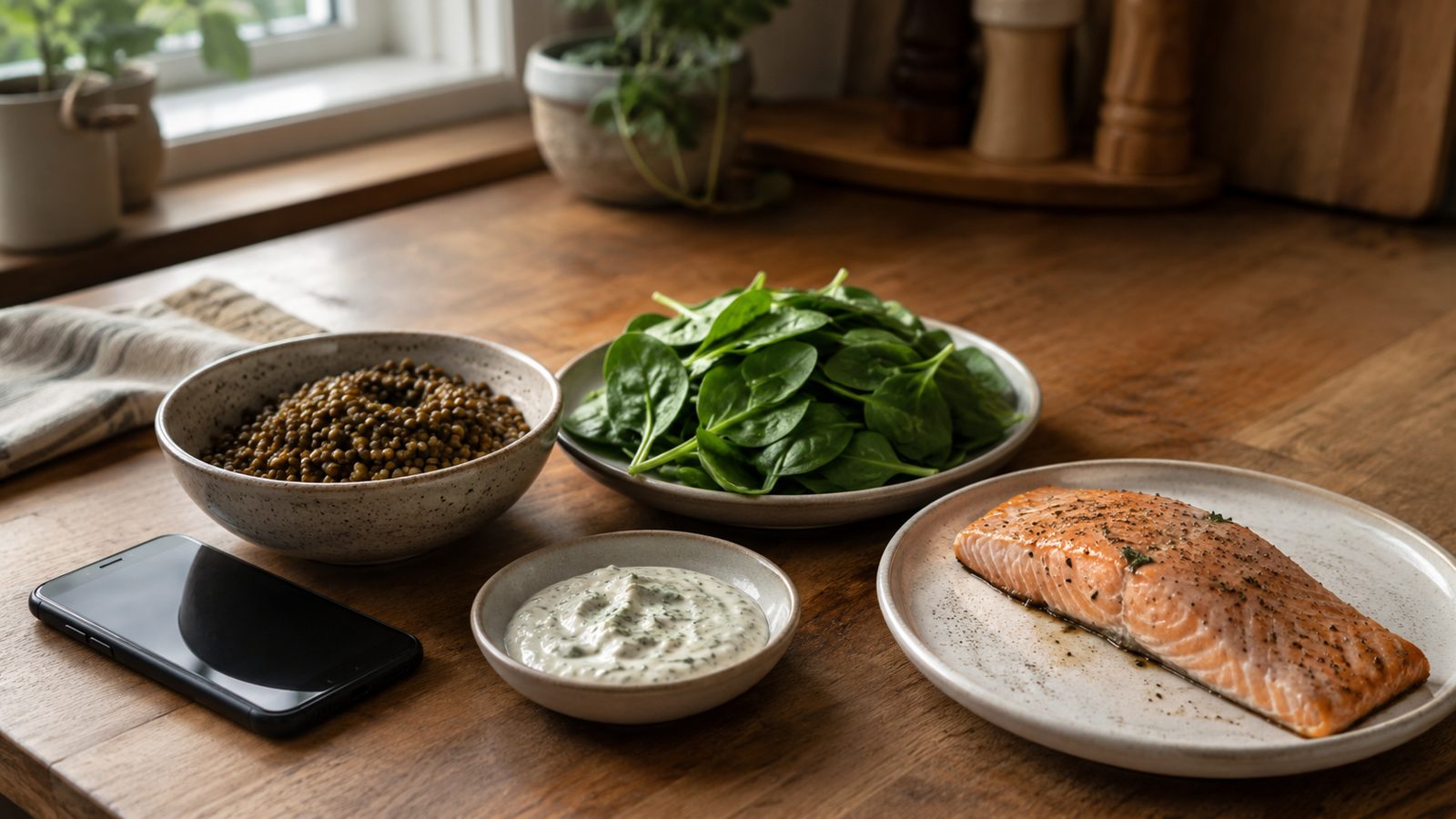
Pregnancy comes with a food rulebook: no raw fish, no unpasteurised cheese, cook the eggs through, watch the mercury, go easy on any alcohol in the pan. The rules aren't complicated. Applying them to every recipe, most nights, for the better part of a year is the part that wears you down. Gourmate's newest version runs that checklist for you, and it does the same for breastfeeding, which has a shorter list of its own. Turn the setting on and each recipe shows where it stands: the pregnancy-safe recipes as written, the ones that need a small change, and the ones to leave for later.
What the check actually does
Turn on Pregnant, Breastfeeding, or both in your food preferences, and every recipe starts carrying a short assessment for each stage you selected. Each one gets a rating: Great, OK, Caution, or Not recommended, plus a short note on why.
It reads the recipe as written: the ingredients, the amounts, and the method, not just the name of the dish. So a salmon fillet baked through reads differently from one served rare, and a tiramisu built on raw egg reads differently from one made with a cooked custard. Pregnancy and breastfeeding are judged on their own, because the rules aren't the same. A dish with a little alcohol might be a hard no while pregnant but only a timing note while nursing.
Which foods raise a flag
The assessment works off the standard food-safety guidance published for pregnancy, applied to the specific recipe in front of you. The things it watches for are the usual higher-risk ones: raw or undercooked fish like sushi and ceviche, raw or lightly cooked eggs, undercooked meat, unpasteurised soft cheese, raw sprouts, high-mercury fish, and chilled ready-to-eat items like deli meats, pâté and smoked fish, which carry a Listeria risk even without cooking. Alcohol that's still present when the dish is served is on the list too, while a splash cooked off early is treated more gently. Liver comes up for a different reason again: it's very high in preformed vitamin A rather than a microbe risk.
Those sit near the top for a reason. Pregnant people are about ten times more likely than other adults to get a Listeria infection, according to the FDA, which is why raw and chilled ready-to-eat foods get so much attention. Fish is the one people most often get backwards. In the US, the FDA and EPA advise eating 8 to 12 ounces a week of lower-mercury fish such as salmon, shrimp and pollock, cooked through, while skipping the highest-mercury ones like shark, swordfish, king mackerel, marlin and bigeye tuna. Other countries word their limits differently, so the exact numbers depend on where you are. Either way, Gourmate flags the high-mercury fish and any raw preparation, and a low-mercury fish still has to be cooked to come back clear.
Make a recipe safer in one tap
When a dish lands on Caution or Not recommended, a button appears under the note: Make safe for pregnancy, or Make safe for breastfeeding. Tap it and Gourmate rewrites the recipe, swapping the flagged ingredients for versions that clear the same checks while aiming to keep the character of the dish. Raw fish becomes cooked, a raw-egg dressing becomes a cooked or pasteurised one, wine in a sauce becomes stock. It's a suggested rewrite rather than a safety guarantee, so give the new version the same once-over you would any recipe.
For breastfeeding the rewrite can go a step further and nudge a recipe toward nutrients that support the early months, like calcium and the omega-3 DHA. It won't turn a raw-bar platter into the same meal, and it isn't trying to. The aim is to keep a dish you like on the table with a small edit, rather than cross it off. This runs on the same engine behind how recipe discovery works, so the adapted version still respects your taste profile and the diet you already set.
Beyond safety: the nutrients in pregnancy-safe recipes
The check also works in the other direction, flagging what a recipe adds rather than what it risks. A Great rating means the dish is nutrient-dense for this stage and carries no flagged safety issue. Folate is the clearest example, with one caveat worth stating plainly. The CDC recommends 400 micrograms of folic acid a day for anyone who might become pregnant, from a supplement or fortified foods, because that specific intake is what has been shown to prevent a large share of neural tube defects like spina bifida. Food folate from lentils or spinach adds to your overall intake, but it doesn't replace that supplement. So treat a folate-rich recipe as a helpful extra, not the preventive step itself. Pregnancy also raises the need for iron, calcium, omega-3 and vitamin D, and the note points those out when a recipe is a good source.
Two dishes that tend to earn the Great mark:
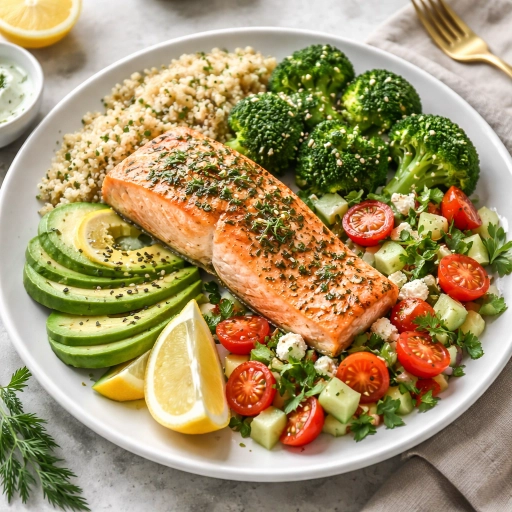
Baked Salmon with Warm Green Lentils and Wilted Spinach
Oven-baked salmon cooked through to a safe temperature, served on warm green lentils and tender wilted spinach with a bright lemon-herb yogurt. A nutrient-dense, comforting Mediterranean main designed to supply omega-3, iron, folate and calcium.
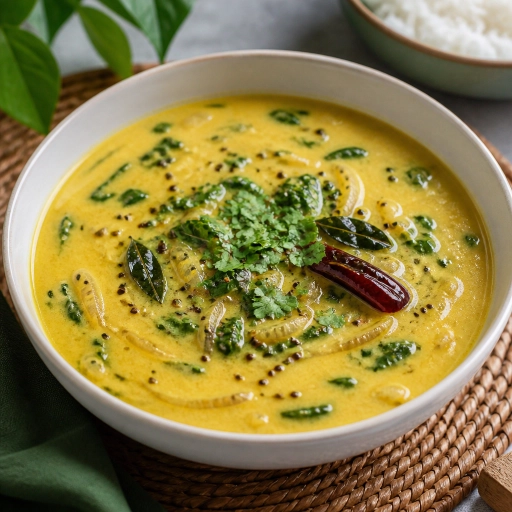
The baked salmon with green lentils and wilted spinach is a good illustration: omega-3 from salmon cooked through to a safe 63°C, iron and folate from the lentils and spinach, calcium from the lemon-herb yogurt, and around 13 grams of fiber a serving by Gourmate's estimate. Gourmate rates it Great for both pregnancy and breastfeeding. The kadhi is the lighter vegetarian option, leaning on calcium from the yogurt and folate from spinach and chickpea flour, fully cooked and gentle. Both sets of numbers are Gourmate's estimates and move with the exact ingredients and serving size, so treat them as a guide rather than a lab result. If you're chasing folate and iron in particular, our note on how to eat more fiber leans on many of the same foods.
Where the app stops and your midwife starts
The rating is guidance, not a medical clearance, and its limits matter. It judges the recipe on the page, not how the ingredients were stored, whether a cheese was actually pasteurised, or whether the cooking temperature on the page was reached in your kitchen. It also can't know about a personal condition, a food allergy, or something your own doctor has told you to avoid. For a diagnosed allergy, or anything touching your health or the baby's, read the full ingredient list yourself and follow your midwife, OB, or pediatrician over any app. Serious food restriction, or a worry about how the pregnancy is going, is a conversation for them, not a recipe screen.
One timing note the app builds in: if you're breastfeeding and have had a drink, the standard advice is to wait about two hours per drink before the next feed, which is why a dish served with alcohol still in it shows a caution rather than a flat no while nursing. Gourmate is deliberately conservative here, and it's built to take some of the running checklist off your plate rather than be the last word on it. That's the same idea as fitting it into an ordinary week, which is what building a healthy weekly menu is about.
Cooking for two, or feeding yourself while you feed a newborn? Turn on Pregnancy or Breastfeeding in Gourmate's food preferences and every recipe comes with the check built in. Download Gourmate.