
How to Eat More Fiber Without Overhauling Dinner
Fibermaxxing is everywhere, but most of us still fall short. Here's how to eat more fiber through normal meals, without powders, gimmicks, or a stomachache.
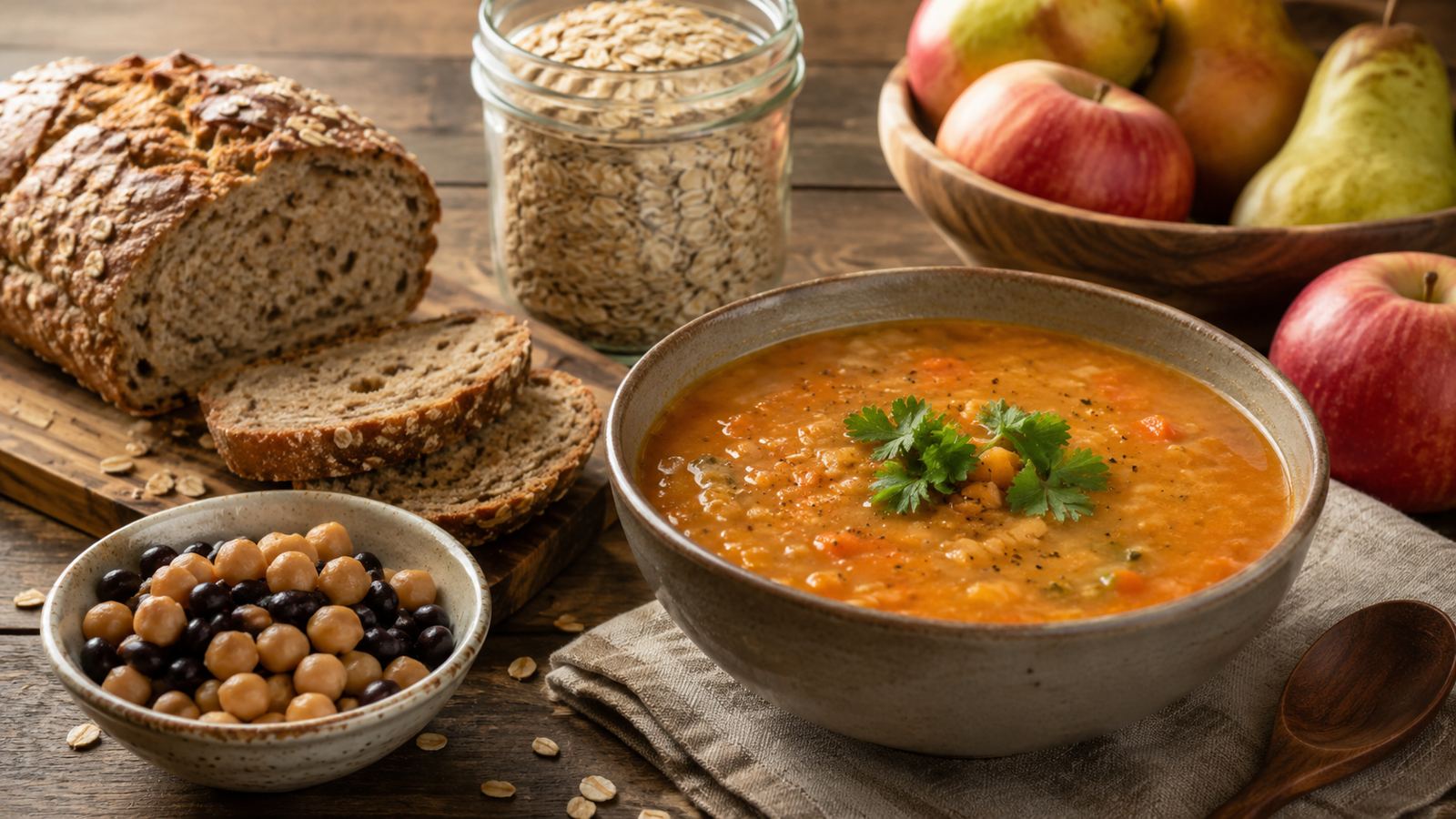
Scroll through food videos for a few minutes and you'll hit someone stirring chia seeds into yogurt and calling it "fibermaxxing". The word is new, the idea isn't: eat more fiber and your digestion, blood sugar, and gut bacteria all benefit. For once, a viral food trend points people toward something dietitians have been pushing for decades. The catch is that a lot of the advice online jumps straight to powders and 50-gram challenges, when the real problem is simpler. Most of us fall well short of the basic amount.
To eat more fiber, you don't need a supplement shelf, just a few more beans, grains, and vegetables in the meals you were already going to cook. Below is how much you actually need, why the gap is so common, and how to close it without upsetting your stomach.
What fibermaxxing gets right
Fiber is the part of plant food your body can't fully digest, and that's the point. It slows digestion, feeds the bacteria in your gut, steadies blood sugar, and helps keep you regular. Reviewing the trend, the Mayo Clinic lands on a sensible verdict: eating more fiber is a genuinely good goal, and most people would do well to get more of it from whole foods.
Where it goes sideways is the "maxxing" part. A trend built on doing more, faster, nudges people to overshoot, and fiber is not a case where more is automatically better. It works best as a steady, unglamorous habit you barely notice.
How much fiber you actually need
The target is smaller than the internet makes it sound. US guidance puts it at roughly 25 grams a day for women and 38 grams for men, or about 14 grams for every 1,000 calories you eat, according to Cleveland Clinic. Over 50, both numbers drop a little as calorie needs fall.
You get there through ordinary meals, not measuring scoops. A bowl of lentil soup, an apple, a couple of slices of whole-grain bread, and a handful of nuts covers a large share of a day's fiber for most people, and every item on that list is something you might eat anyway.
Why most of us fall short
Adults in the US average about 15 grams of fiber a day, roughly half the recommended amount. The shortfall is nearly universal, not a niche problem for people who eat badly.
The reason is baked into how modern food is made. Refining strips most of the fiber out: white bread, white rice, most packaged snacks. Build a week of meals around those and you can hit your calorie needs while barely touching your fiber target. Closing the gap is mostly mechanical, swapping a few refined defaults back to their whole-food versions and leaning on ingredients that were fiber-dense to start with.
How to eat more fiber without thinking about it
The most reliable way to eat more fiber is to build it into your default meals, so it isn't a daily task you have to remember. A few swaps do most of the work.
- Cook with beans and lentils once or twice a week. A cup of cooked lentils carries more fiber than most people get in an entire day of white-bread meals.
- Default to whole grains where the taste barely changes: brown rice in a curry, whole-grain bread for toast, oats at breakfast.
- Keep the skins on. Potatoes, apples, pears, and cucumbers hold a lot of their fiber right under the peel.
- Treat vegetables as the base of a meal now and then, not a side garnish pushed to the edge of the plate.
Planning helps here too. Build the week around a couple of bean or grain dinners on purpose and fiber stops being something you chase. Our guide to building a healthy weekly menu walks through that kind of setup, and because beans and lentils reheat better than almost anything, they suit the batch cooking approach. If you plan in Gourmate, the fiber count sits next to calories and protein on each recipe, so you can see which dinners actually add up.
A few high-fiber dinners to start with
You don't need special recipes, just normal dinners built on beans, lentils, or whole grains. A few from Gourmate to start with, with per-serving fiber from its nutrition estimates (which shift with the exact ingredients and serving size):
- Mercimek Çorbası, a Turkish red lentil soup, vegan and done in half an hour, at around 13 grams of fiber a serving.
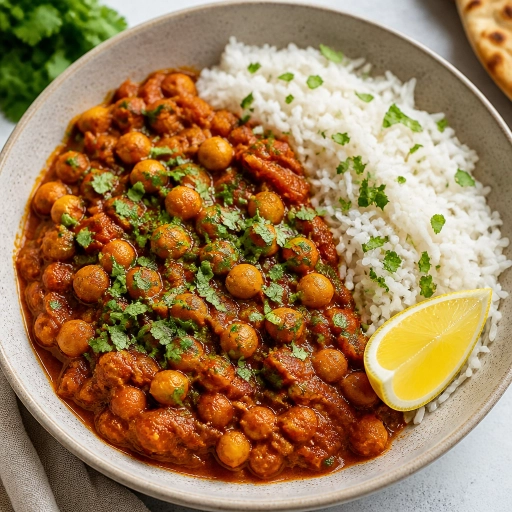
- Chana Masala, a chickpea curry that reheats better on day two, at about 13 grams.
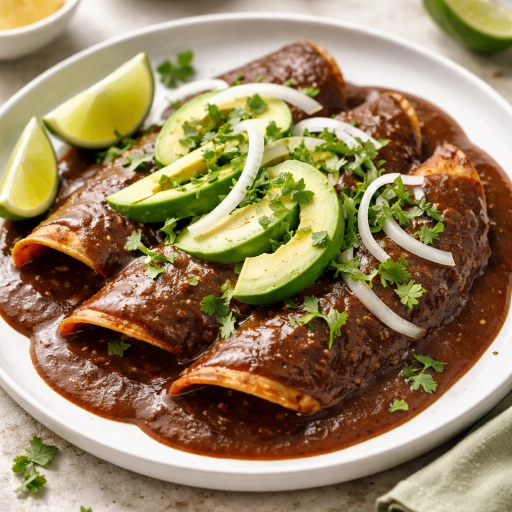
- Enfrijoladas, corn tortillas in a smoky black bean sauce, closer to 18 grams a serving.

Mercimek Çorbası
This classic lentil soup is smooth, velvety, and deeply comforting, with the natural sweetness of onion and carrot balancing earthy red lentils. Cumin adds warmth, dried mint brings a fragrant lift, and a squeeze of lemon makes the whole bowl taste bright and lively.
Chana Masala
Chana Masala is a bold, comforting chickpea curry with a thick tomato-onion sauce and fragrant spices in every bite. This quick version delivers deep flavor, gentle heat, and a tangy finish that makes it especially satisfying with rice or flatbread.
Enfrijoladas
Enfrijoladas are soft corn tortillas wrapped in a velvety, smoky black bean sauce and finished with creamy avocado, fresh cilantro, and crisp onion. This vegan version is quick, comforting, and deeply satisfying, with earthy beans and gentle chipotle heat balanced by bright lime.
A single bowl like that covers a good chunk of the day, which beats remembering a supplement. Soups and stews also freeze well, so a double batch buys you a fiber-heavy dinner on a night you'd otherwise order in. Our notes on what freezes well cover which ones hold up.
Go slow, and drink water
One real warning the trend tends to skip. If you jump from 15 grams to 40 overnight, your gut will let you know, usually with bloating, gas, and cramps. The standard advice is to add fiber gradually over a few weeks and drink more water as you do, since fiber works best with plenty of fluid moving it along. Add one bean dinner this week, another next week, and let your system adjust.
For most people that gradual approach is all it takes. But if you have a digestive condition like IBS or Crohn's, or you're on a medically restricted diet, talk to a doctor or dietitian before ramping up, since the right kind and amount of fiber varies a lot in those cases.
Trends like fibermaxxing come and go. The habit underneath is worth keeping either way: a few more plants on the plate, most days, cooked in ways you actually like.
Planning a fiber-friendlier week? Gourmate shows the fiber in every recipe and builds the plan and shopping list around the meals you'll actually cook.