
How to Feed Your Gut Microbiome Through Food
What the gut microbiome needs to thrive: the case for food diversity, how fiber works as a prebiotic, and practical ways to eat a wider range of plants.
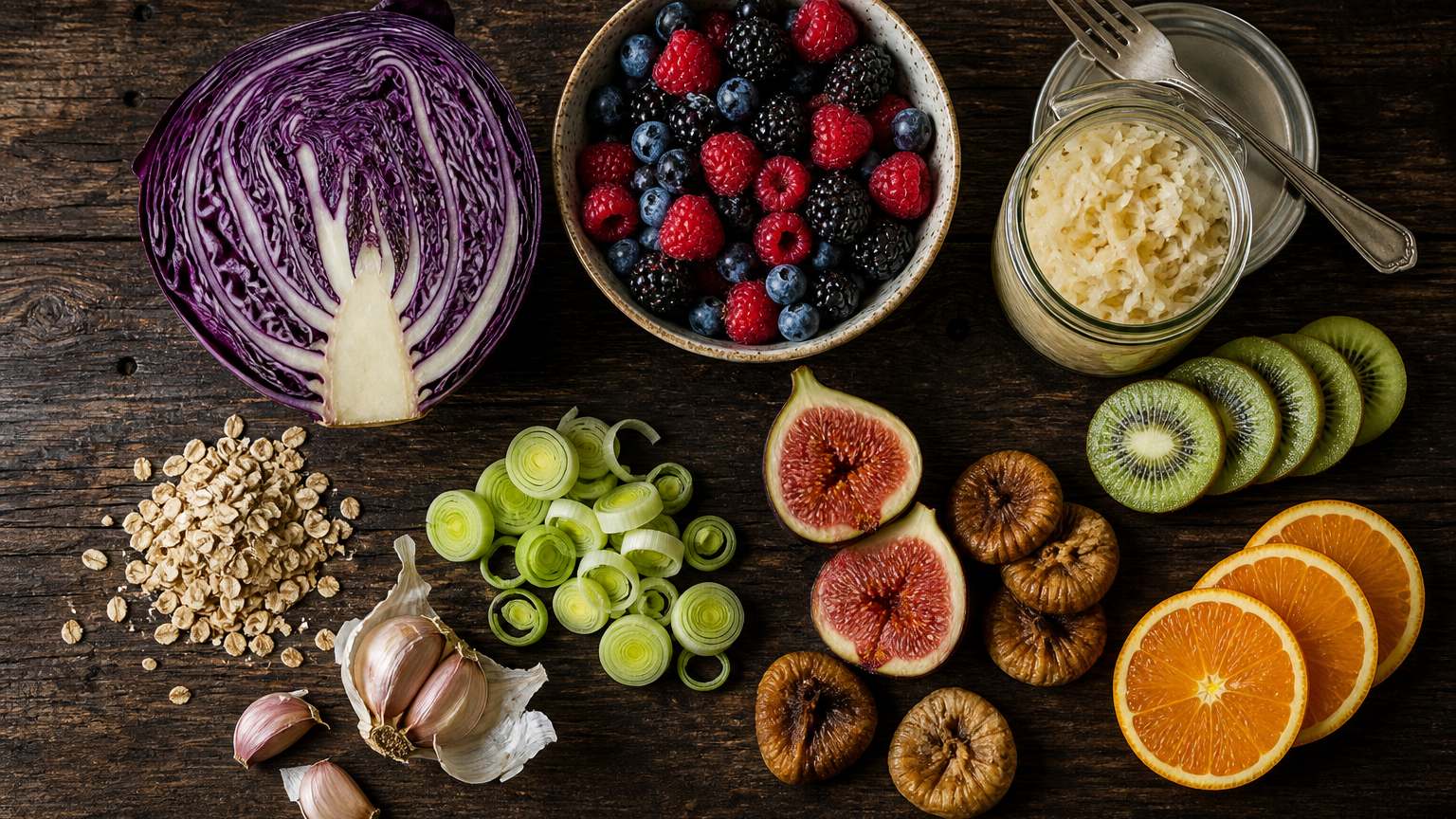
The gut microbiome shapes how you digest food, which B vitamins and vitamin K the body can produce, and how the immune system responds. What you eat is one of the most modifiable variables.
Why diversity matters more than any single food
The research on diet and the gut microbiome points broadly in one direction: diversity of plant foods tends to be associated with greater microbiome diversity in observational data. The American Gut Project, an open citizen science study, compared selected groups of 42 participants who ate more than 30 different plant foods per week against 43 who ate 10 or fewer. The higher-plant group had significantly more diverse gut microbiomes. The study was observational and cross-sectional, so it describes an association rather than establishing that eating more plants caused the observed difference.
This finding doesn't establish a specific target number. It suggests that variety across the week is associated with a broader range of bacterial substrates than eating the same few plants repeatedly.
How fiber feeds your microbiome (and which types matter)
Dietary fiber isn't digested by human enzymes. It passes through the small intestine largely intact and reaches the large intestine where gut bacteria ferment it. The byproducts of that fermentation include short-chain fatty acids (SCFAs) like butyrate, propionate, and acetate. These SCFAs are produced in differing amounts depending on the type of fiber, the individual's bacterial community, and the dose. Butyrate in particular nourishes cells lining the colon; propionate and acetate are associated with various metabolic effects. The exact outcomes in healthy adults eating ordinary diets are still an active area of research.
Some fiber types and their typical sources (effects vary by individual):
Inulin and fructooligosaccharides (FOS) from garlic, onions, leeks, asparagus, and Jerusalem artichokes are fermented by several bacterial groups. They are often called prebiotics because they tend to support certain bacterial populations (particularly Bifidobacteria and some Lactobacilli in many people), though responses vary considerably between individuals.
Pectin (found in apples, pears, citrus peel, and many berries) is fermented by a different mix of organisms. Beta-glucan (from oats and barley) has been studied in relation to gut barrier function. Resistant starch (cooked and cooled potatoes and rice, green bananas) acts as a substrate for butyrate-producing bacteria in many people, though responses depend on the starting microbiome.
Eating a mix of these rather than loading up on one type provides a broader range of bacterial species with what they need. The fiber guide covers the recommended daily amounts and practical food sources in more detail.
Fermented foods and live bacteria
The connection between fermented foods and the microbiome is biologically plausible but the mechanism isn't fully established. Live fermented foods contain microorganisms, and eating them regularly has been associated with increased microbiome diversity in some research. A 2021 randomized trial published in Cell by Wastyk and colleagues assigned 36 adults to either a high-fermented-food diet or a high-fiber diet for 10 weeks. The fermented-food group showed consistent increases in gut microbiome diversity and reductions in 19 inflammatory proteins measured in blood. The high-fiber group showed increases in microbiome carbohydrate-processing capacity but no equivalent change in diversity within 10 weeks, with the researchers noting that fiber's effects may take longer or depend on the starting microbiome.
A 36-person trial is a starting point for understanding the direction of these effects, not a settled picture.
Practical live-culture sources: plain yogurt (look for "live cultures" on the label), kefir, kimchi, unpasteurized sauerkraut, and traditionally prepared miso. Tempeh contains fermentation products but is usually cooked before eating, which reduces or eliminates live cultures. The fermented-foods guide covers each in more detail.
How to eat more plant variety in practice
Eating more than 30 different plant foods per week sounds like a lot until you count what already qualifies: every vegetable, fruit, legume, whole grain, nut, seed, and fresh herb counts as a separate plant food. A salad with three vegetables, a grain, and seeds can get you five in one meal.
Some easy ways to broaden the range without reorganizing your cooking: add one extra vegetable to dishes you already make, vary the grain across the week (barley instead of rice sometimes, oats instead of bread at breakfast), use a mixed bean tin instead of one type, add seeds or nuts to breakfast. These changes don't require new recipes.
Below are two recipes with a good range of plant ingredients: the chickpea quinoa bowl brings in chickpeas, quinoa, fresh herbs, cucumber, tomato, and sesame-based tahini; the miso soup uses fermented miso alongside tofu and wakame seaweed.

Spiced Chickpea Quinoa Bowl
Warm, nutty quinoa, smoky spiced chickpeas, crisp vegetables, and a silky tahini lemon dressing come together in a bowl that feels both vibrant and satisfying. It is colourful, generous, and full of contrast—creamy, crunchy, fresh, and warmly spiced in every bite.
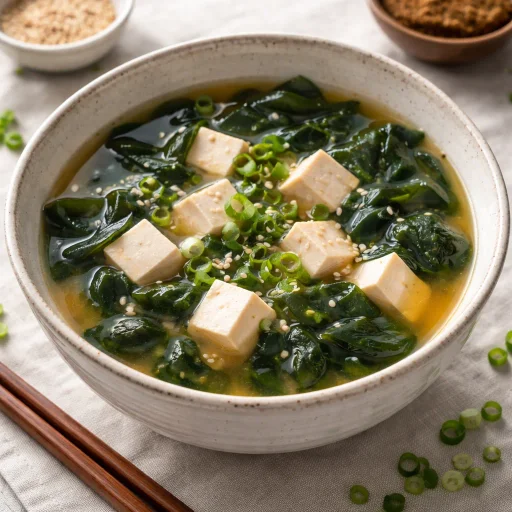
Miso Soup with Tofu and Wakame
This light and comforting miso soup offers a delightful combination of soft tofu and savory wakame seaweed, perfectly infused with the umami richness of miso. Served hot and garnished with fresh scallions, it’s an ideal dish for breakfast or as an appetizer.
When to look beyond diet
The microbiome is influenced by diet, but also by antibiotic use (which can significantly reduce diversity), physical activity, sleep, and early-life environment. Dietary changes won't consistently reverse microbiome disruption caused by a course of broad-spectrum antibiotics or by an underlying gut condition; the degree of recovery varies widely between individuals.
If you have persistent gut symptoms (significant bloating, altered bowel habits, pain), get those evaluated by a GP or gastroenterologist rather than treating them as a dietary puzzle to solve with more fiber or probiotics. Diet can support a well-functioning gut; it's not a reliable treatment for diagnosed conditions.
Building more plant variety into your week? Gourmate generates recipe plans that work within your dietary preferences and help you vary what you eat.