
High Protein Meals: the Best Sources on a Budget
Which cheap ingredients give the most protein per serving, and how to build weeknight meals around eggs, lentils, canned fish, and chicken thighs.
There's a practical reason to care about how much protein your meals contain: protein has a stronger effect on satiety than the same calories from carbohydrate alone, which means a protein-rich lunch tends to hold you until dinner better than a carbohydrate-heavy one at the same calorie count. Research consistently supports this, though the effect varies by individual and is also influenced by fibre and meal volume.
The foods with the most protein per penny
Cost per gram of protein varies significantly by ingredient. A few foods consistently sit near the top of any "value" ranking:
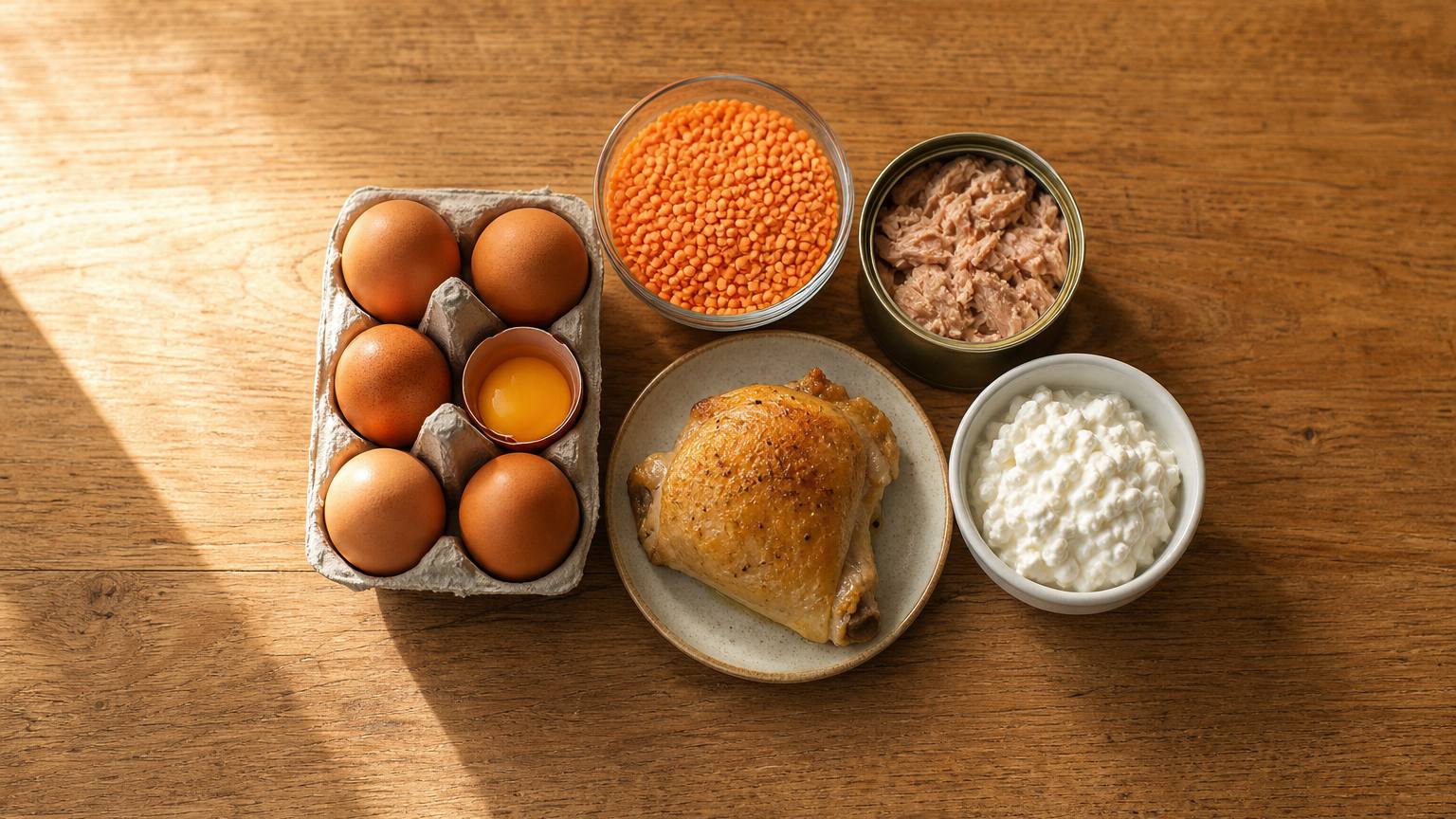
Eggs are among the most complete proteins available, containing all nine essential amino acids, and they're cheap in almost any market. A large egg contains about 6 grams of protein. If you're eating two for breakfast, that's 12 grams before anything else happens. Scrambled, boiled, or poached, they're the fastest high-protein meal most people can make.
Dried red lentils cost a fraction of most animal proteins and contain about 25 grams of protein per 100 g dry weight. A 500 g bag typically provides four to six substantial servings. They cook faster than other pulses (no soaking needed, 15–20 minutes on the stove), and they take to spices and aromatics well. They're not a "complete" protein in the amino acid sense, but combined with grains (the rice or bread you'd be eating anyway), the profile rounds out. The how to eat more fibre post covers lentils in more detail and links to a Turkish red lentil soup that sits at 17 grams of protein a serving.
Canned tuna is shelf-stable and contains around 25–30 grams of protein per 100 grams of drained fish (source weight on the label is the pre-drain weight; a 185 g can typically drains to about 120–130 g of fish). Canned sardines and mackerel are similar and often cheaper. One point on frequency: tuna, particularly canned albacore/white tuna, contains more mercury than light tuna (skipjack). Health agencies including the FDA and the European EFSA recommend that pregnant people and young children limit canned albacore and choose light tuna more often. Frequent tuna eating isn't a concern for most healthy adults, but it's worth knowing if you're planning to eat it daily.
Chicken thighs (bone-in, skin-on) are consistently cheaper than chicken breast and have a similar protein content per 100 grams of meat (roughly 26–30 grams). They're harder to overcook because of the fat content, which makes them forgiving for weeknight cooking. Boneless chicken thighs are slightly more expensive than bone-in but still cheaper than breast.
Cottage cheese is an underused everyday protein source. A 100 gram serving contains about 11–12 grams of protein and typically less saturated fat than most meat, at a lower cost per gram of protein. It's worth checking the sodium content on the label if you're eating it frequently; some brands are considerably saltier than others.
A note on plant protein
Plant proteins have varying amino acid profiles, and a diet based entirely on a single plant food might be low in one or more essential amino acids. In practice, this matters far less than it sounds: a varied diet that includes different legumes, grains, and vegetables covers the full spectrum naturally, and the traditional pairings (rice and lentils, bread and hummus, beans and corn) have historically done exactly this. If you eat eggs, dairy, or meat in any quantity, any amino acid gaps from plant sources are easily filled.
How much protein does a meal contain?
General nutrition guidelines suggest most healthy adults need roughly 0.8 grams of protein per kilogram of body weight per day as a minimum. Sports nutrition bodies typically recommend more (around 1.2–2.0 g/kg) for people doing regular resistance training. A single dinner that provides 25–35 grams of protein is a reasonable target for most meals if you're aiming to hit a moderate daily total.
If you have kidney disease, are pregnant, or are significantly changing your protein intake, get personalised advice from a GP or dietitian before making major changes. Protein targets are not universal, and the figures above apply to generally healthy adults.
Two recipes that use cheap protein sources
The red lentil soup takes under 30 minutes and is built from one of the cheapest proteins per serving. The tuna pasta reaches about 33 grams of protein per serving total, with most of that coming from one standard can of tuna. Gourmate's per-serving estimates are shown on each card and will shift with the exact brands and portions used.
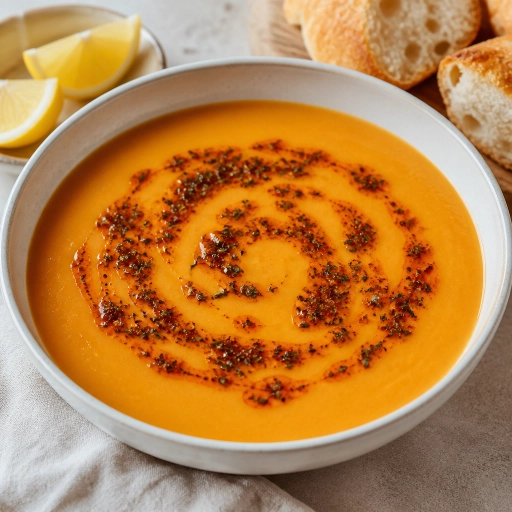
Kirmizi Mercimek Corbasi
This smooth Turkish red lentil soup is comforting, lightly earthy, and brightened with cumin, mint, and lemon. A warm paprika oil drizzled over the top gives it a fragrant finish and a beautiful red-gold sheen.
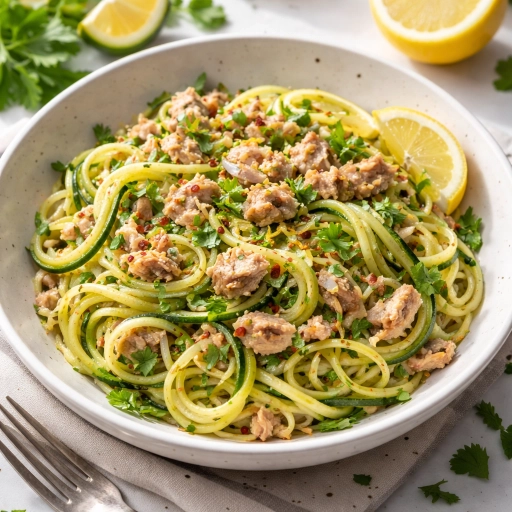
Zucchini Pasta with Garlic, Lemon, and Tuna
Light, flavorful zucchini 'pasta' with juicy tuna, garlic, and fresh lemon. Quick to prepare, high in protein, and completely dairy-free — perfect for a fast low-carb dinner.
Fitting it into the week
The easiest way to increase protein without spending more is to make a few deliberate swaps and stocking decisions:
- Keep eggs and a bag of dried lentils in the kitchen permanently. Both are cheap enough that running out is an avoidable oversight.
- When buying chicken, choose thighs over breast unless the recipe specifically benefits from breast. You get similar protein at lower cost and a more forgiving cooking experience.
- Add a can of tuna, sardines, or mackerel to the weekly shop. They add modest cost and give you a fast high-protein meal option on days when you haven't planned. Check the label for sodium if you're eating canned fish frequently.
- Use Greek yogurt or cottage cheese as a quick protein source for breakfasts and snacks rather than relying solely on meals. Check sodium levels on cottage cheese labels in particular.
- When buying chicken, keep cross-contamination in mind: raw chicken (and especially any marinade that touched it) should not contact other food, cooked food, or serving surfaces. Cook chicken to an internal temperature of 74°C/165°F.
The budget meal planning post covers the broader cost-reduction side of the same problem: how to build a weekly shop that reduces waste and cost overall, not just protein cost.
Want to find more high-protein weeknight recipes that fit your tastes? Gourmate personalises recipe suggestions around what you like to eat and the time you have. See how the recipe discovery works.