
High Protein Meals: How to Hit 30-40g Protein Per Serving
What high protein meals actually look like, which ingredients carry the most protein, and three complete recipes that hit 35-44g protein per serving.
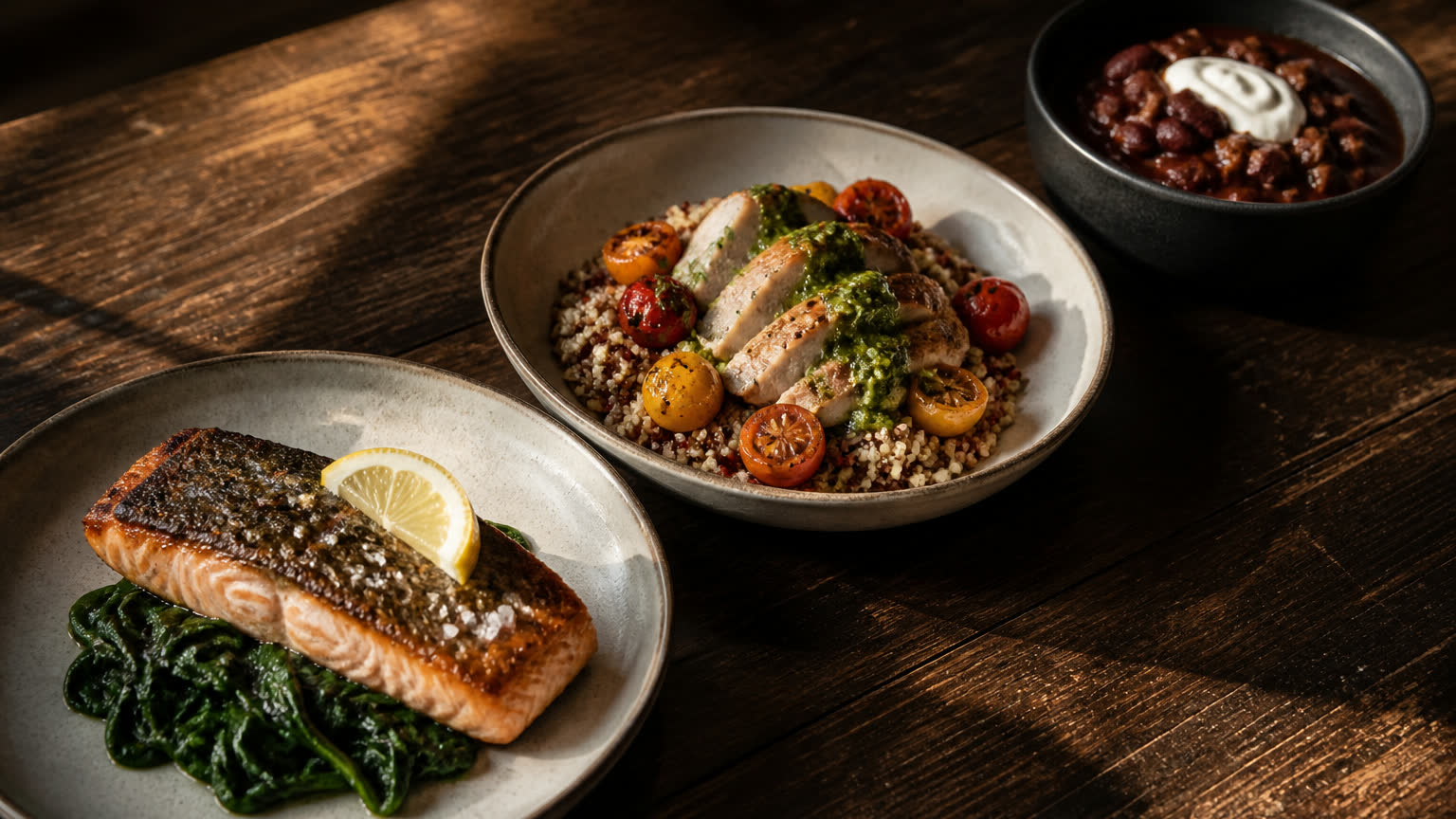
Most nutrition guides say adults should eat 1.2-2.0 g of protein per kilogram of body weight per day, depending on activity level. For a 75 kg person, that means 90-150 g of protein daily. At three meals a day, each meal needs to deliver 30-50 g of protein consistently to hit that target without relying heavily on supplements.
The good news: getting 35-44 g of protein per meal is realistic with whole food ingredients. The bad news: most common recipes don't come close. A bowl of pasta with olive oil and parmesan has around 15-18 g. A typical salad with grilled chicken often hits 25-30 g. To reliably hit 40 g+, you need to plan around the protein source, not add it as an afterthought.
What determines protein content
Protein density depends on several factors working together:
The main protein source. Chicken breast (about 31 g per 100 g cooked), salmon (25 g per 100 g), beef (26-29 g per 100 g), and eggs (6 g each) are the most efficient animal proteins. Plant sources like lentils (9 g per 100 g cooked) and chickpeas (8.9 g per 100 g cooked) deliver less per gram of food, so portions need to be larger to match the same protein output.
The serving size. A 150 g portion of salmon delivers around 37 g of protein. A 200 g portion delivers around 50 g. Shrinking portions to save calories also shrinks protein delivery. One of the most common reasons people struggle to hit protein targets is not eating enough of the protein source.
Added high-protein ingredients. Greek yogurt (10 g per 100 g), skyr (10-11 g), cottage cheese (11-12 g), eggs (6 g each), and edamame (11 g per 100 g cooked) can add 10-20 g of protein to a dish without significantly changing its character. A tablespoon of ground flaxseed or hemp seeds adds 3-4 g; a handful of edamame as a side adds 10-12 g.
How the meal is structured. High-protein eating is easier when the meal is designed around the protein source, with carbohydrate and fat as supporting elements. Starting with "I'll have 150 g of salmon, what goes with it?" produces a higher protein outcome than "I'll make pasta, what can I add for protein?"
How much protein do you actually need?
The often-cited 1.2-2.0 g per kilogram of body weight covers a wide range of activity levels. For a sedentary adult, 0.8 g/kg is sufficient. For someone doing resistance training three or more times per week, 1.6-2.0 g/kg is supported by the research literature. For a 75 kg active adult, the upper end means 150 g/day, which breaks down to 50 g per meal if eating three times daily.
Meeting this through whole foods is possible but requires intentional planning. At 50 g protein per meal, you're looking at:
- 200 g of chicken breast (62 g protein)
- 180-200 g of salmon fillet (45-50 g protein)
- Two large eggs plus 150 g of Greek yogurt combined (about 26 g total) - lower end
- 150 g of turkey quinoa bowl (44 g protein, as in the recipe below)
Supplements are not necessary if whole food intake is planned, but convenient as top-ups for people with high targets and limited appetite.
Recipes that reliably hit 40g+
The three recipes below range from 35 to 46 g of protein per serving.
Turkey quinoa bowl (44g protein)
Quinoa is unusual among plant foods: it contains all nine essential amino acids and delivers around 8 g of protein per 100 g cooked, more than most grains. Paired with turkey (a leaner, higher-protein protein than chicken breast), this bowl pushes into 44 g territory.
The key to this bowl is cooking the quinoa in stock rather than water, which gives it more flavour, and not overcooking the turkey. Turkey breast overcooked is dry; pull it at 74°C internal temperature.
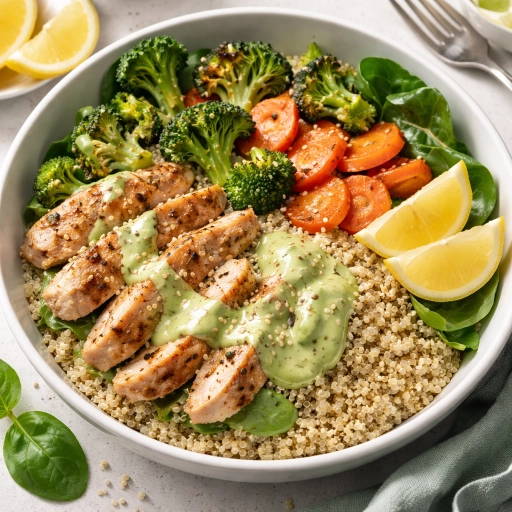
Turkey Quinoa Bowl
This bowl is fresh, filling, and balanced, with fluffy quinoa, juicy turkey, sweet roasted carrots, and crisp-edged broccoli. A creamy avocado tahini dressing ties everything together with nutty richness and bright lemony lift.
Salmon fishcakes (42g protein)
Salmon fishcakes made with fresh salmon (not tinned) and bound with egg rather than excessive breadcrumb deliver a high-protein result: 42 g per two-fishcake serving. The binding is one egg and a small amount of breadcrumb, so the carbohydrate load is low relative to the protein content.
The technique that matters: the fishcakes need to be cold and firm before they go in the pan. If they're too warm, they fall apart. Refrigerate the shaped cakes for at least 20 minutes before cooking. Use a non-stick or well-seasoned cast-iron pan with a little oil; a stainless steel pan sticks easily with fishcakes.
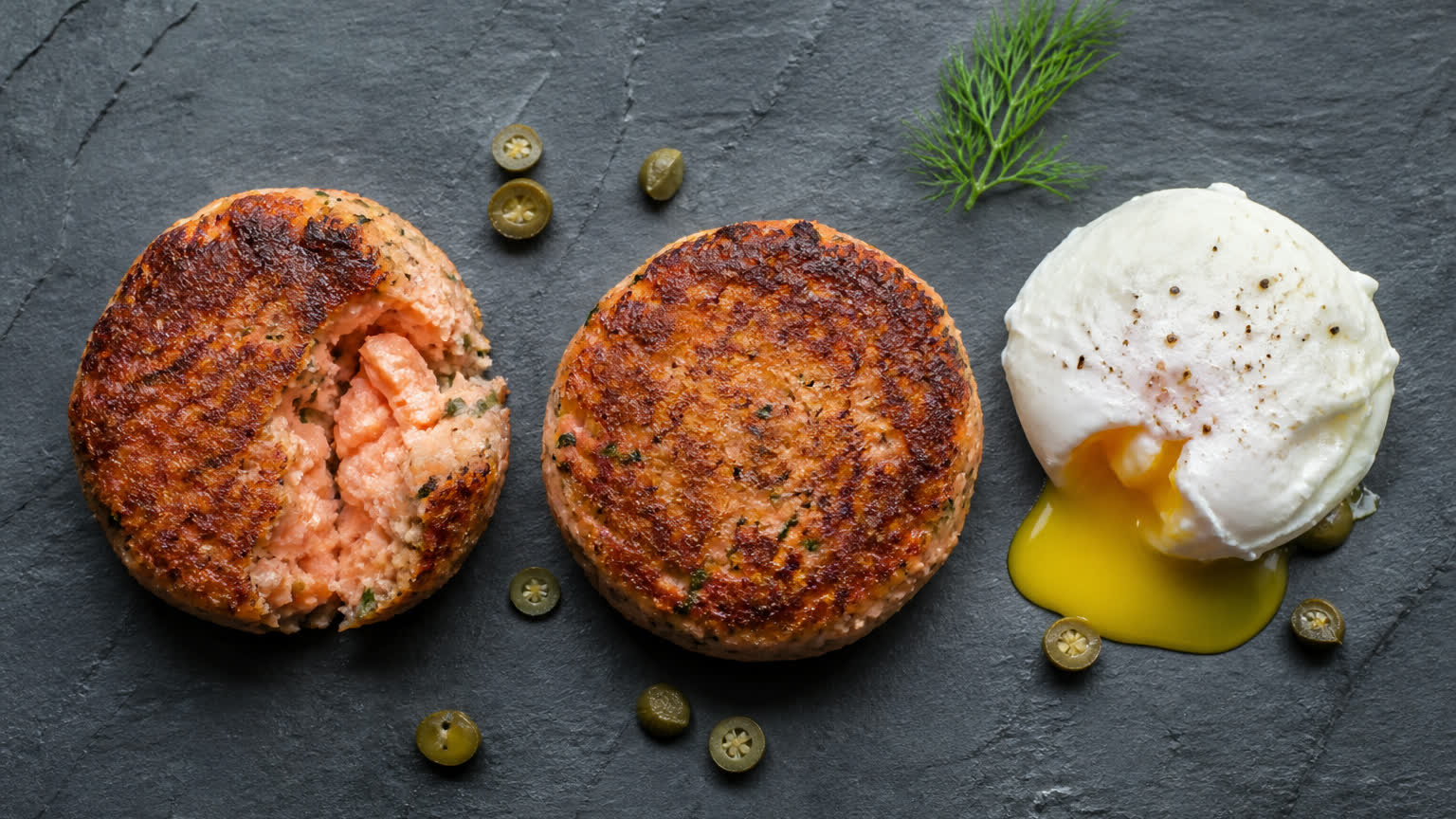
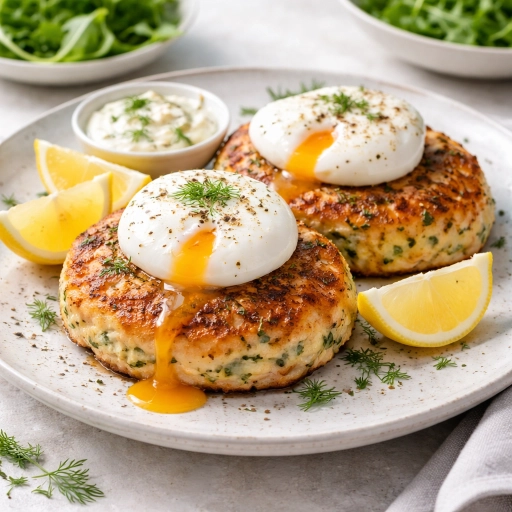
Salmon Fishcakes with Poached Eggs
These salmon fishcakes are crisp and golden outside, with a soft, fluffy potato interior threaded with tender flakes of salmon, sweet spring onion, and fresh dill. A softly poached egg on top adds a rich yolk that becomes an instant sauce when cut into.
Beef and bean chili (36g protein)
The chili recipe from our classic chili guide delivers 36 g of protein per serving from a combination of ground beef and kidney beans. The beans contribute both protein and fibre; the beef provides the rest. At 460 calories per serving, the protein-to-calorie ratio is good.
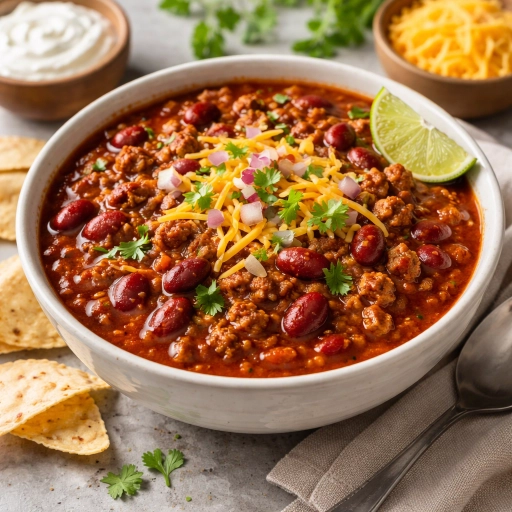
Beef and Bean Chili
A robust, tomato-forward chili with browned ground beef and tender kidney beans, seasoned with chili powder, cumin and smoked paprika. Simmered until thick and comforting, it makes an easy, satisfying weeknight main.
Making high-protein meals part of a weekly plan
The challenge with high-protein eating isn't finding individual recipes; it's maintaining the pattern over a full week when schedules change and cooking time varies. A few approaches that work:
Batch cook one protein on the weekend. A large batch of turkey mince, cooked plain with just salt and garlic, can be portioned into weekday meals: added to bowls, stir-fries, or salads. Cooked ground turkey keeps for 4 days in the fridge and reheats in 2 minutes.
Keep eggs as backup. Three scrambled eggs deliver 18 g of protein in 5 minutes with no planning required. Combined with cottage cheese (11-12 g per 100 g) or Greek yogurt on the side, a quick egg meal can still hit 25-30 g.
Use protein as the starting point for meal planning. Decide what protein you're eating first, then build the rest of the meal around it. The starch and vegetables are secondary; the protein portion size is the fixed variable.
Gourmate's meal planner lets you filter by protein content so each day's meals hit your target. The nutrition estimates shown on each recipe card are per serving as calculated from the ingredient list.
Allergens
- Turkey Quinoa Bowl: gluten (check quinoa for cross-contamination if coeliac), soy (from seasonings)
- Salmon Fishcakes: fish, gluten (breadcrumbs), egg, dairy (butter for poaching)
- Beef Chili: no major regulated allergens (check Worcestershire sauce for fish)
Planning a high-protein week? Gourmate personalises meal plans around your protein targets. Find out how the recipe discovery works.