How AI Is Changing Meal Planning
How AI meal planning changes the way we plan the week, cut food waste, and eat healthier, without the Sunday-evening planning stress.
Meal planning used to mean spreadsheets, cookbooks stacked on the counter, and the weekly panic of "what's for dinner?" AI meal planning has quietly changed that. Instead of you doing the research, the maths, and the list-writing, the plan builds itself around how you actually live and eat.
Why meal planning matters more than ever
Between busy schedules, rising grocery prices, and growing interest in personalised nutrition, the pressure to eat well without wasting time or money has never been higher. And the evidence for planning is solid. A study of over 40,000 adults published in the International Journal of Behavioral Nutrition and Physical Activity found that people who plan their meals have higher diet quality, more food variety, and lower odds of obesity than those who don't. The UK waste-reduction charity WRAP also identifies meal planning as one of the behaviours most consistently linked to less food thrown away at home, simply because planners buy what they'll actually cook.
The problem? Planning itself takes time most people don't have. That's the part AI removes.
What AI changes
Modern AI meal planners do much more than suggest recipes. They:
- Learn your taste profile: the more you rate and cook, the more accurate the suggestions become
- Adapt to dietary constraints: allergies, intolerances, and preferences are factored in automatically
- Balance the week: quick meals on busy days, more involved cooking when you have time
- Work with your pantry: suggest meals that use what you already have, so less ends up in the bin
None of these steps is hard on its own. The value is in not having to do them every single week, forever.
How this differs from classic recipe apps
The app market splits into two camps. Recipe managers like Paprika are built for collecting: you clip recipes from the web, organise them, and plan manually. Planners like Mealime generate weeknight dinner plans with a grocery list, but focus mostly on dinner rather than the whole week. Others, like KptnCook, hand you a small daily selection instead of a plan (as of July 2026; check their sites for current features).
All of these are good tools. What they have in common is that the thinking still happens on your side: you decide what fits your week, your fridge, and your goals. An AI planner flips that. You set the constraints once, and the system does the fitting.
From static lists to dynamic plans
Traditional recipe apps give you a library. AI meal planners give you a system. Instead of browsing thousands of recipes hoping to stumble on tonight's dinner, the plan finds you.
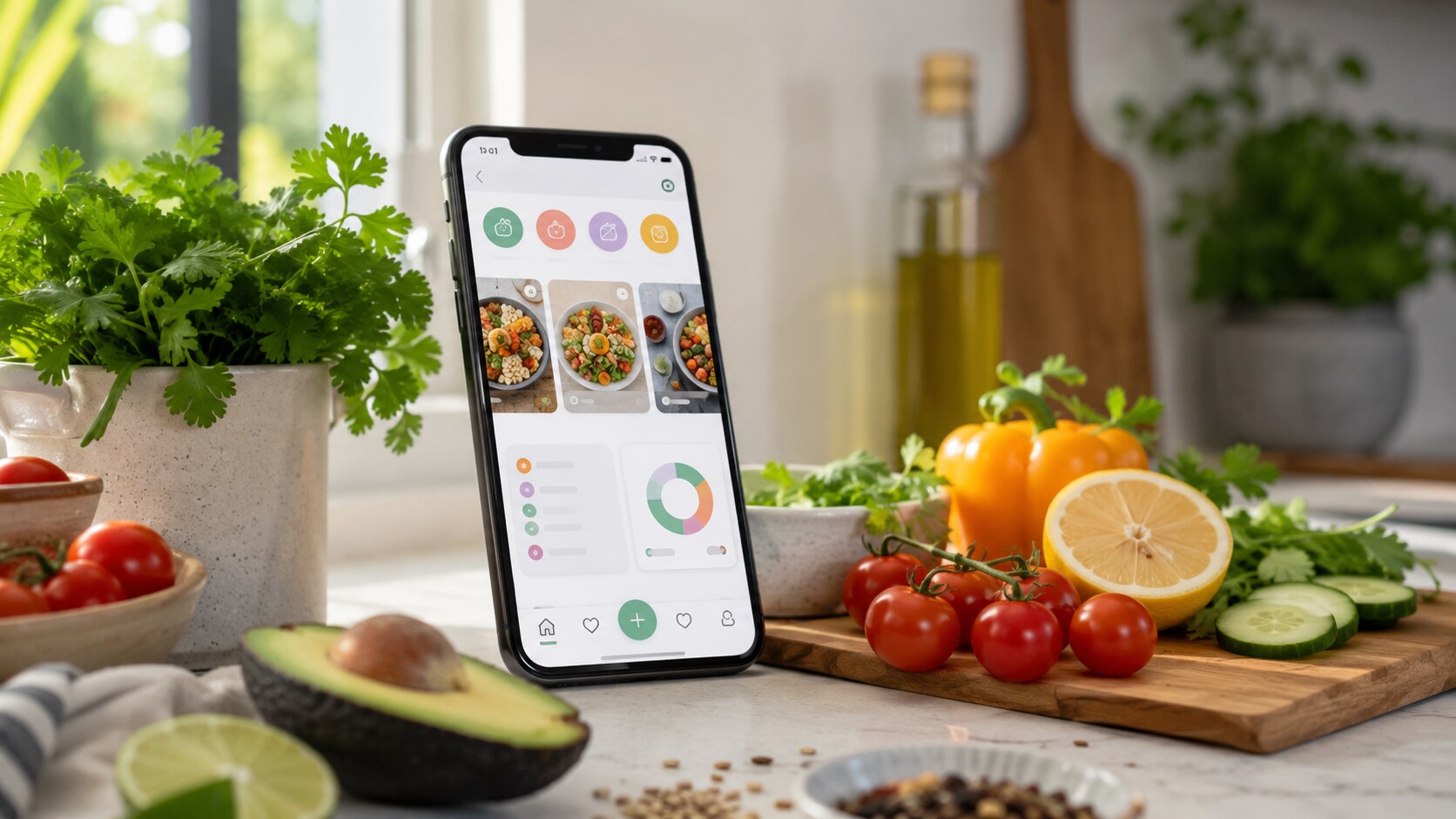
Gourmate builds a weekly plan based on your household size, dietary preferences, and available time. Behind it sits a curated catalogue of around 3,000 recipes across more than 30 cuisines, each checked for realistic cooking times and clear ingredients. The app then generates a single shopping list that covers the entire week, grouped by category so you're not criss-crossing the supermarket.
Plans also stay flexible. Swap a meal, and the shopping list updates with it. A plan that can't absorb a spontaneous pizza night is a plan you'll abandon by Thursday.
The personalisation gap
The biggest shift is personalisation at scale. A recipe website can surface popular dishes. An AI system can surface your dish: the one that fits your schedule, uses the chicken thighs in your fridge, and matches how you actually eat.
This matters more than raw catalogue size. Ten thousand recipes you have to filter yourself are worth less than seven that were picked for your week. It's the difference between a generic meal plan and one that gets used past Wednesday.
Where the human still matters
AI planning is not about outsourcing your food choices. You still decide what "eating well" means for your household: more vegetarian meals, a protein target, a hard no on coriander. The AI handles the logistics of getting there.
In our experience, that division of labour is what makes plans stick. People don't abandon meal plans because the recipes are bad. They abandon them because maintaining the plan becomes a second job.
What this means for home cooks
You don't need to think like a nutritionist or a sous-chef to eat well. The tools now exist to make that expertise available in the background, automatically. If you want to see what a planned week looks like in practice, our guide to building a healthy weekly menu in under 10 minutes walks through it step by step, app or no app.
Less planning stress. Less food waste. More time at the table.
Ready to try AI meal planning? Download Gourmate and let it build your first week.